Beyond the Lens: Gorongosa with Shem Compion
Gorongosa is one of Africa's great conservation success stories.
I first visited Gorongosa five years ago and have returned more than 80 times since. Every time I come back, I find myself telling the same story, but with a new chapter added. It is a story of recovery, resilience, and what can happen when conservation becomes about people as much as wildlife.
The civil war, which ended in 1994, devastated Gorongosa. At one point there were more landmines than large animals in the reserve. Wildlife populations had been decimated and much of what made Gorongosa famous had been lost.
Then, in 2007, Greg Carr and the Carr Foundation began working alongside the park and a range of conservation organisations to restore this remarkable ecosystem. What followed was not simply a wildlife recovery project. It became a long-term commitment to the people living alongside the reserve.
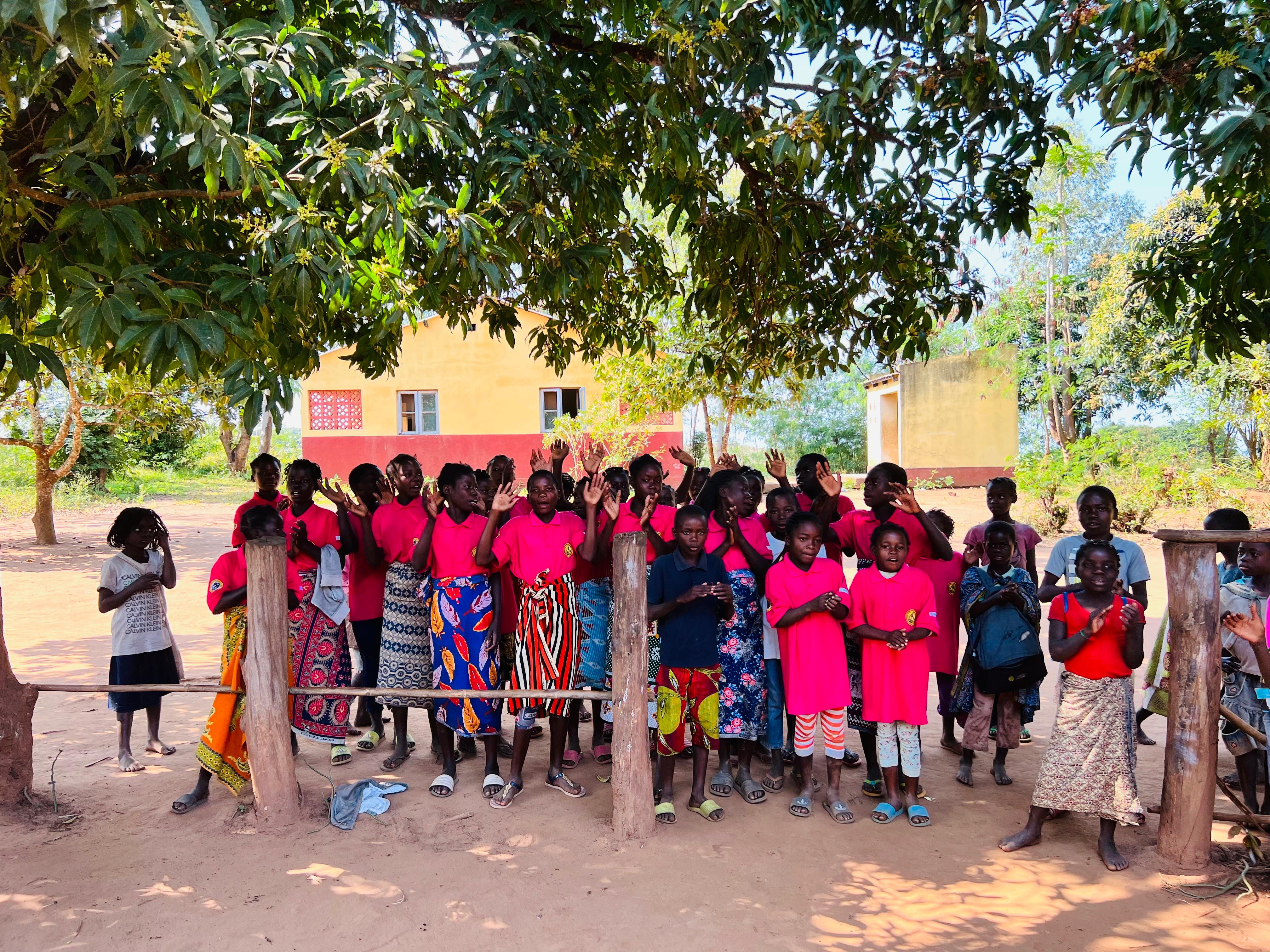
Today, around 200,000 people live in the communities surrounding Gorongosa. They are not spectators to conservation; they are stakeholders in it. They have become some of the reserve's strongest advocates and most important custodians. For me, that is what makes Gorongosa so special.
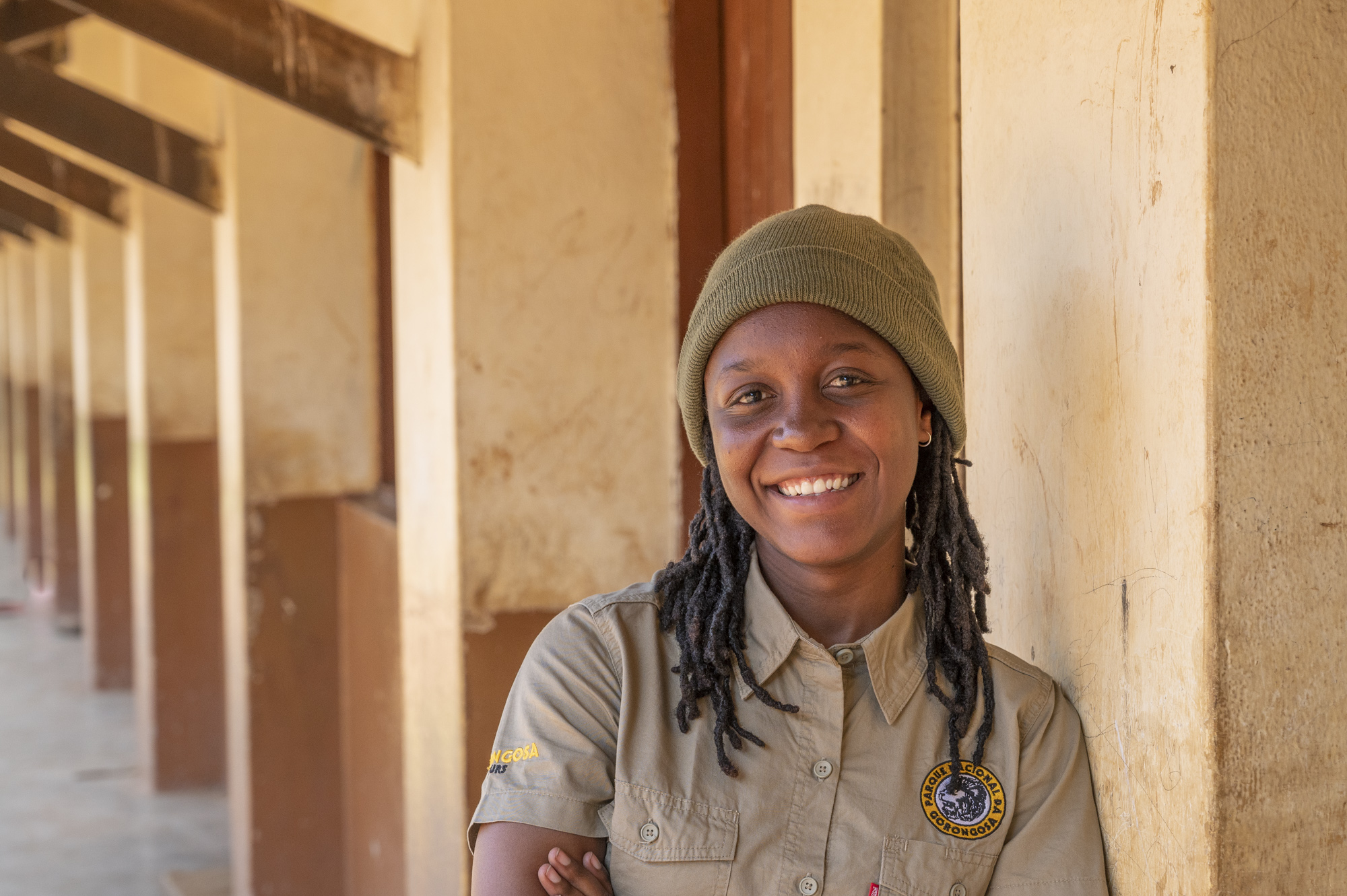
One of the privileges of visiting so often is being able to witness the changes over time. Every visit seems to reveal more wildlife, better game viewing, and a richer photographic experience. Species numbers continue to grow and the reserve feels increasingly alive.
I have no doubt that within the next few years Gorongosa will firmly re-establish itself as one of Africa's premier wildlife destinations.
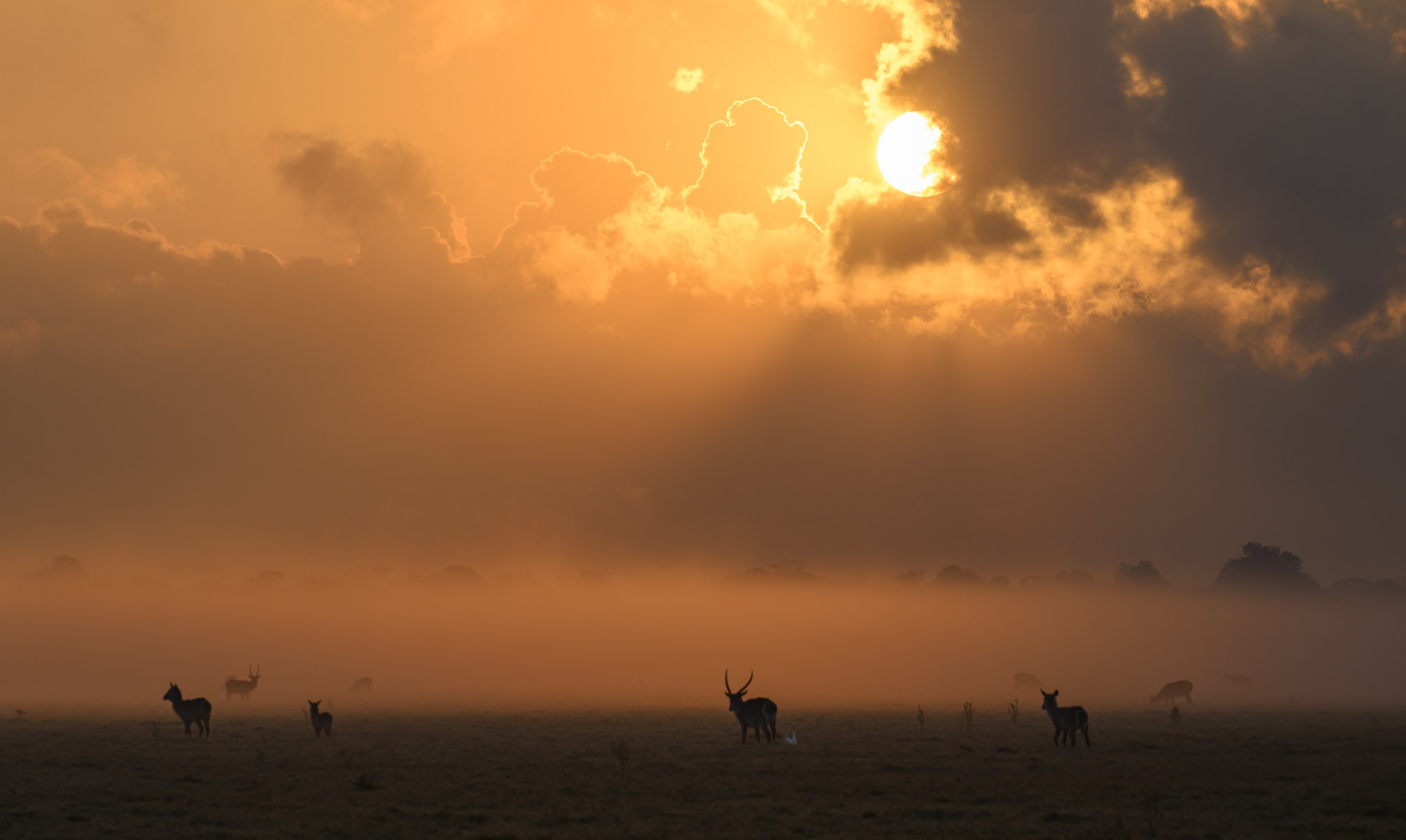
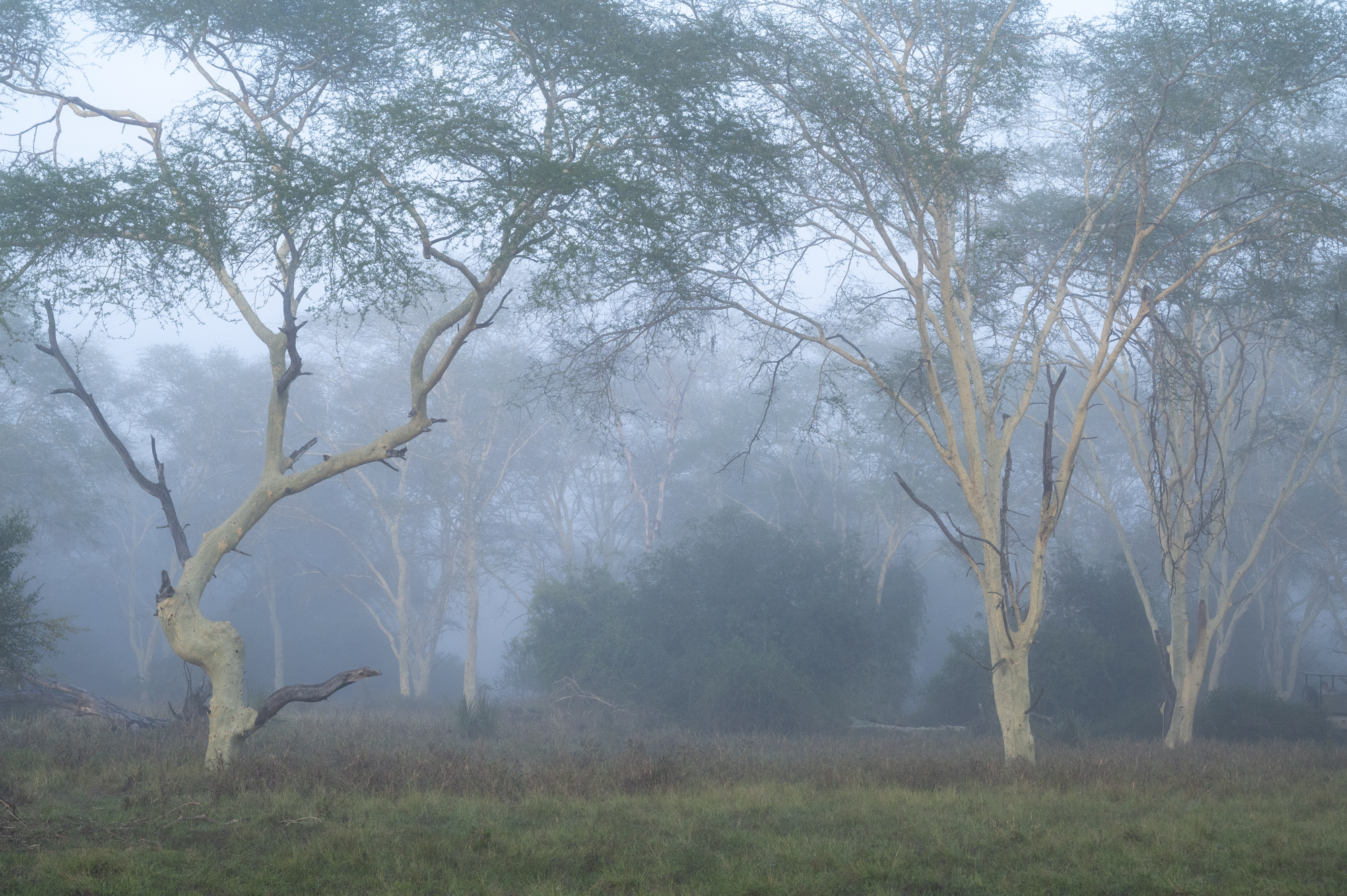
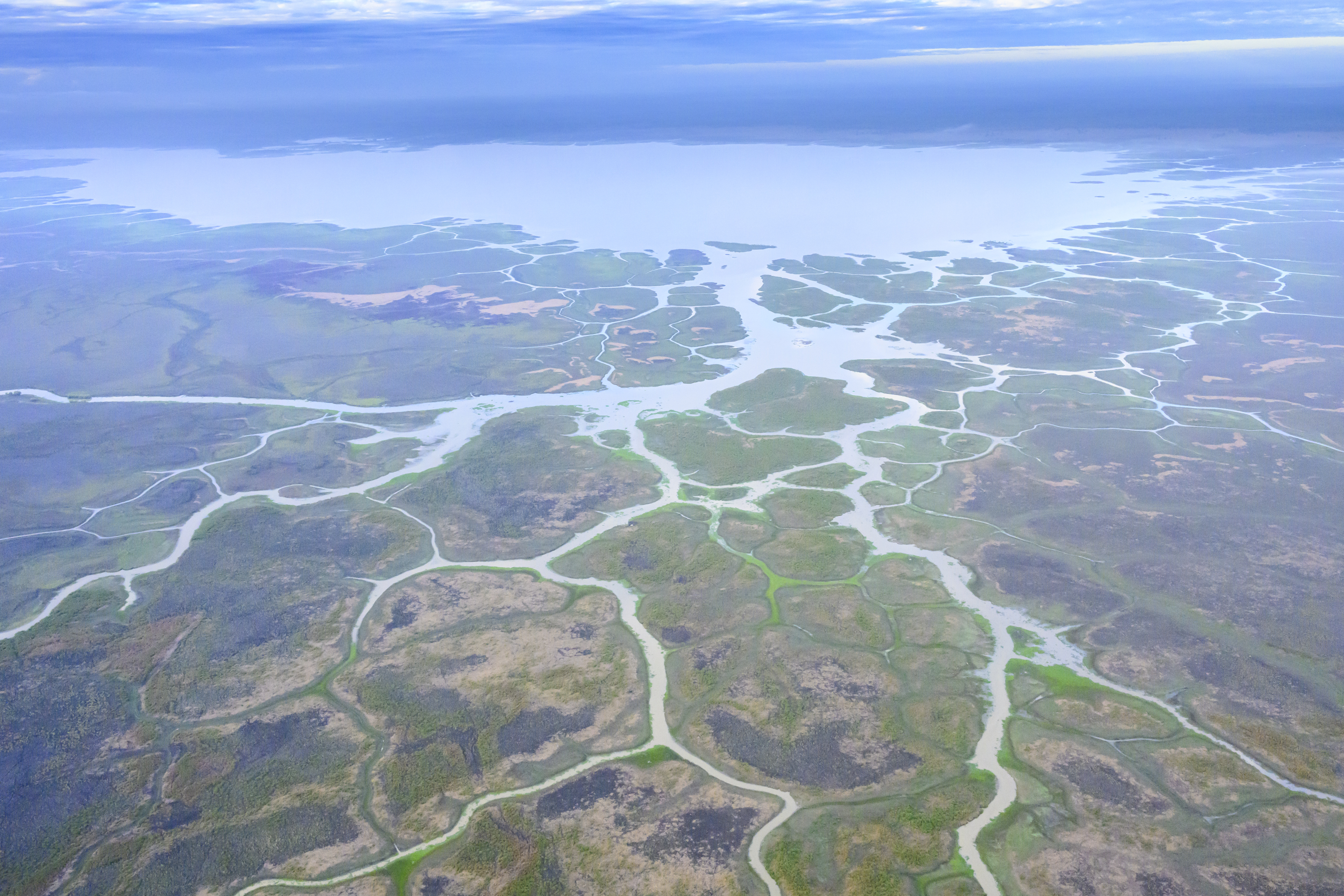
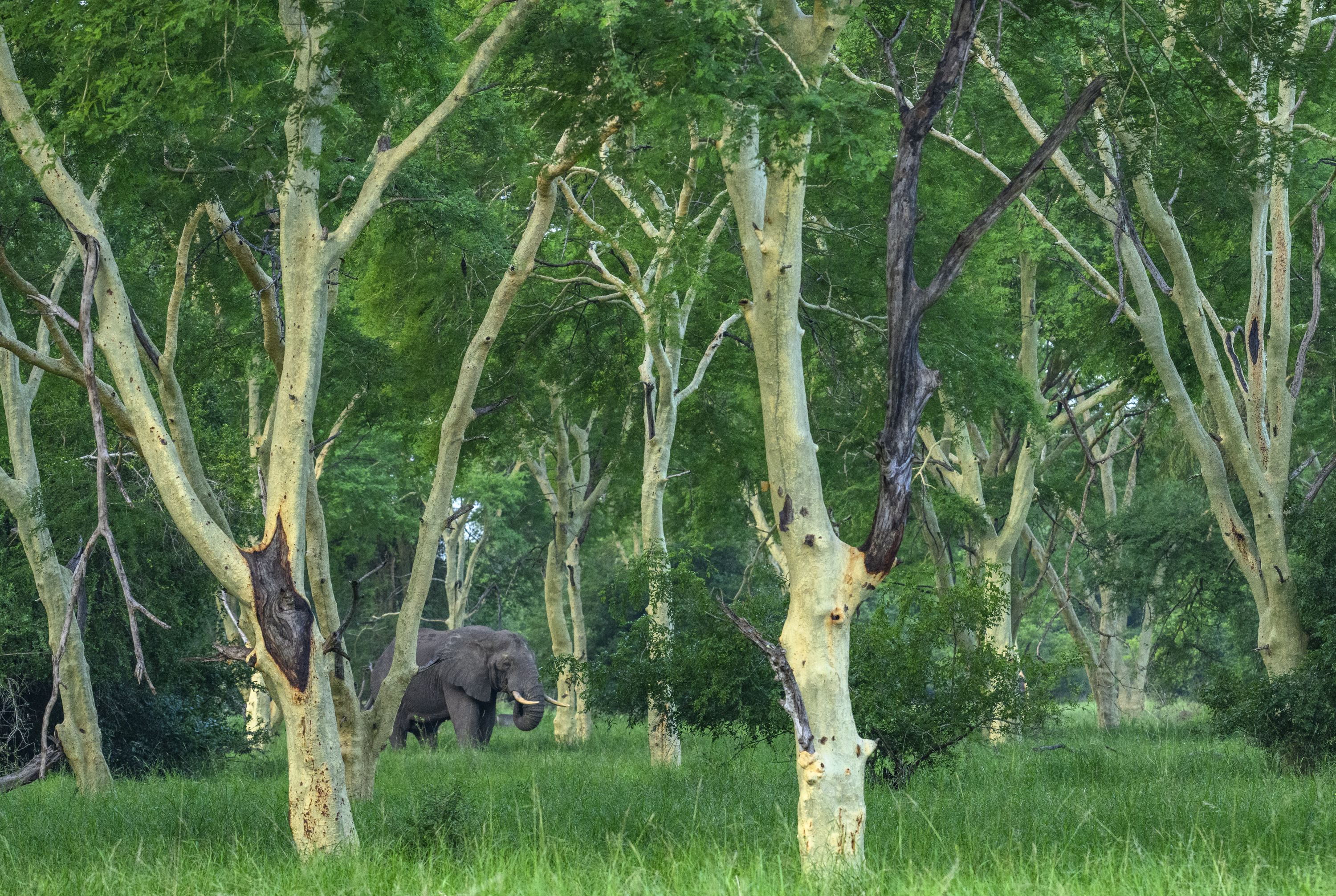
What strikes you immediately when you arrive is the sheer diversity of habitats. Leadwood forests, fever tree forests, floodplains, palm savannahs and dense thickets create a mosaic of ecosystems, each supporting its own collection of species.
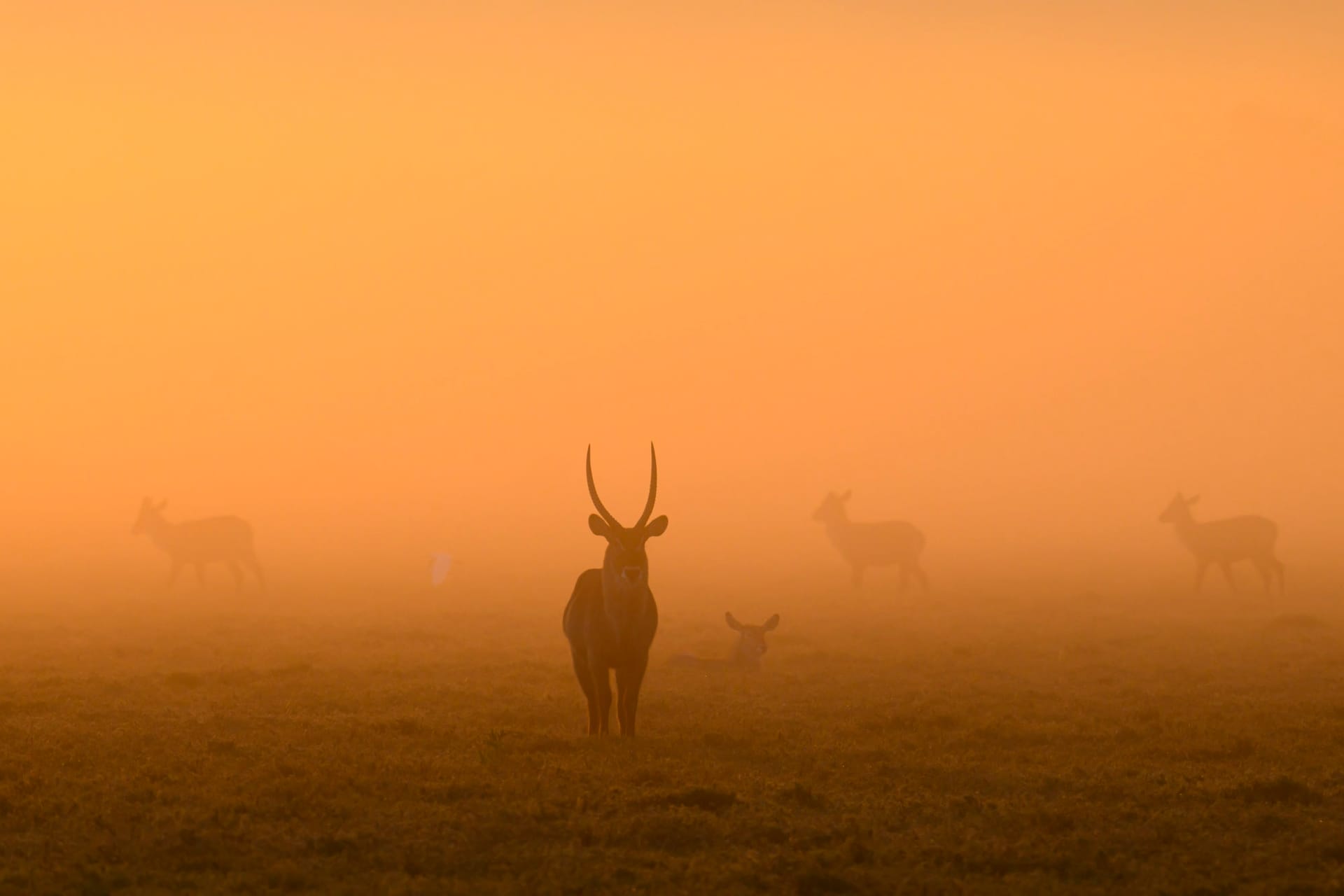
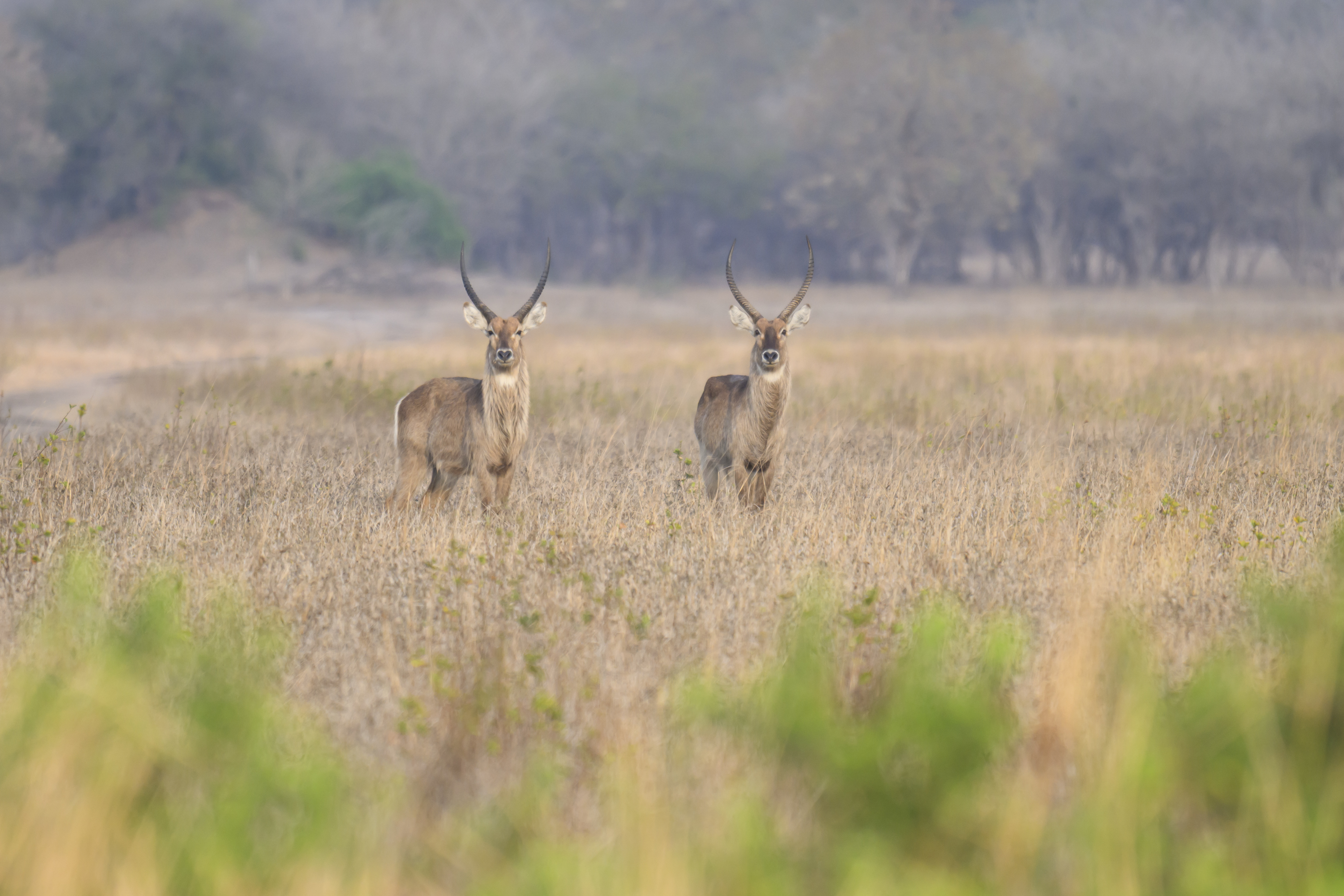
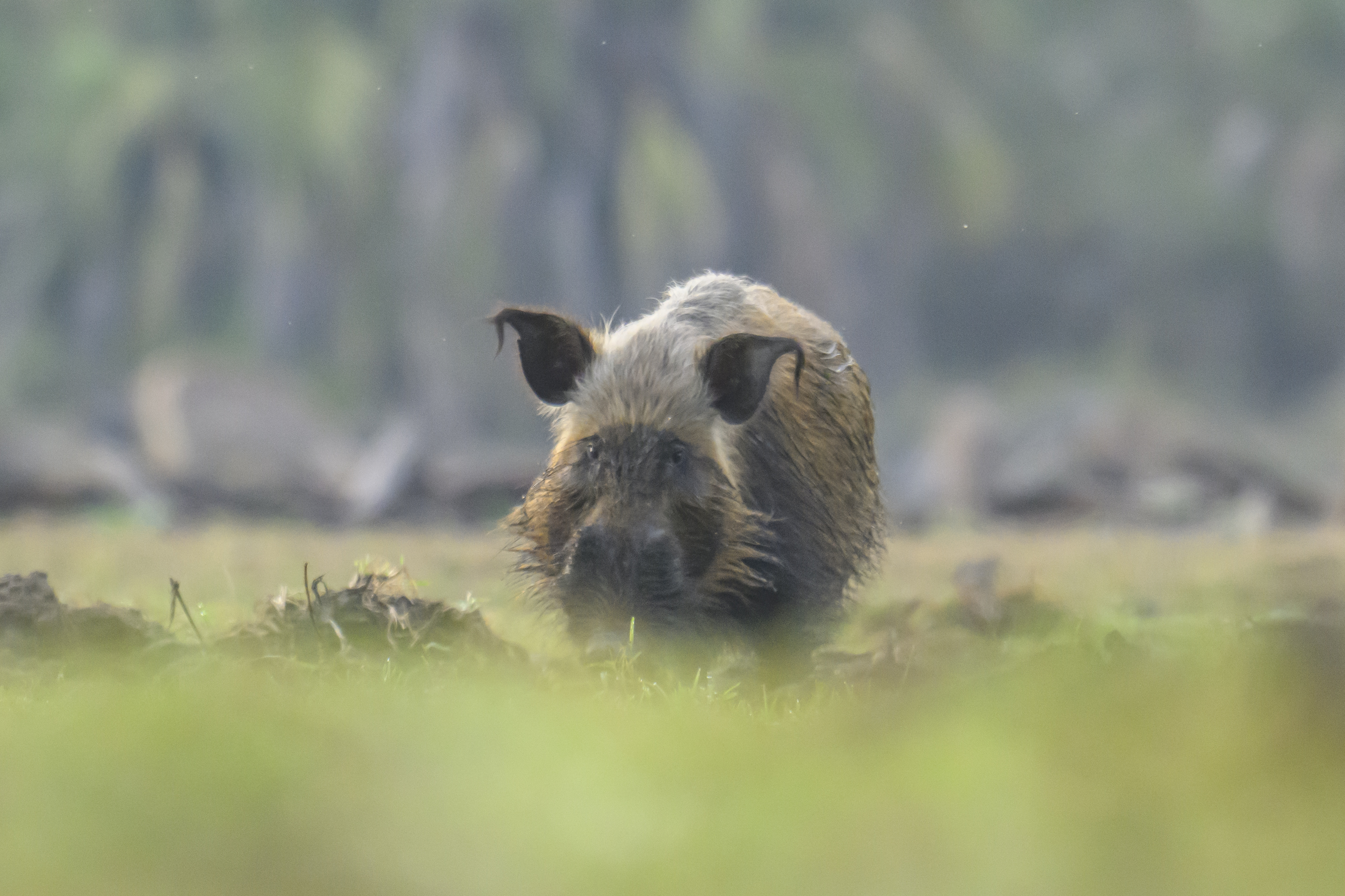
The familiar plains game is all here, but Gorongosa also rewards those looking for something a little different. Nyala are common, oribi can be found in the grasslands, bushpig emerge from cover, and civets often make an appearance after dark. It is a reserve that constantly surprises you. Just when you think you know what is around the next corner, something unexpected appears.
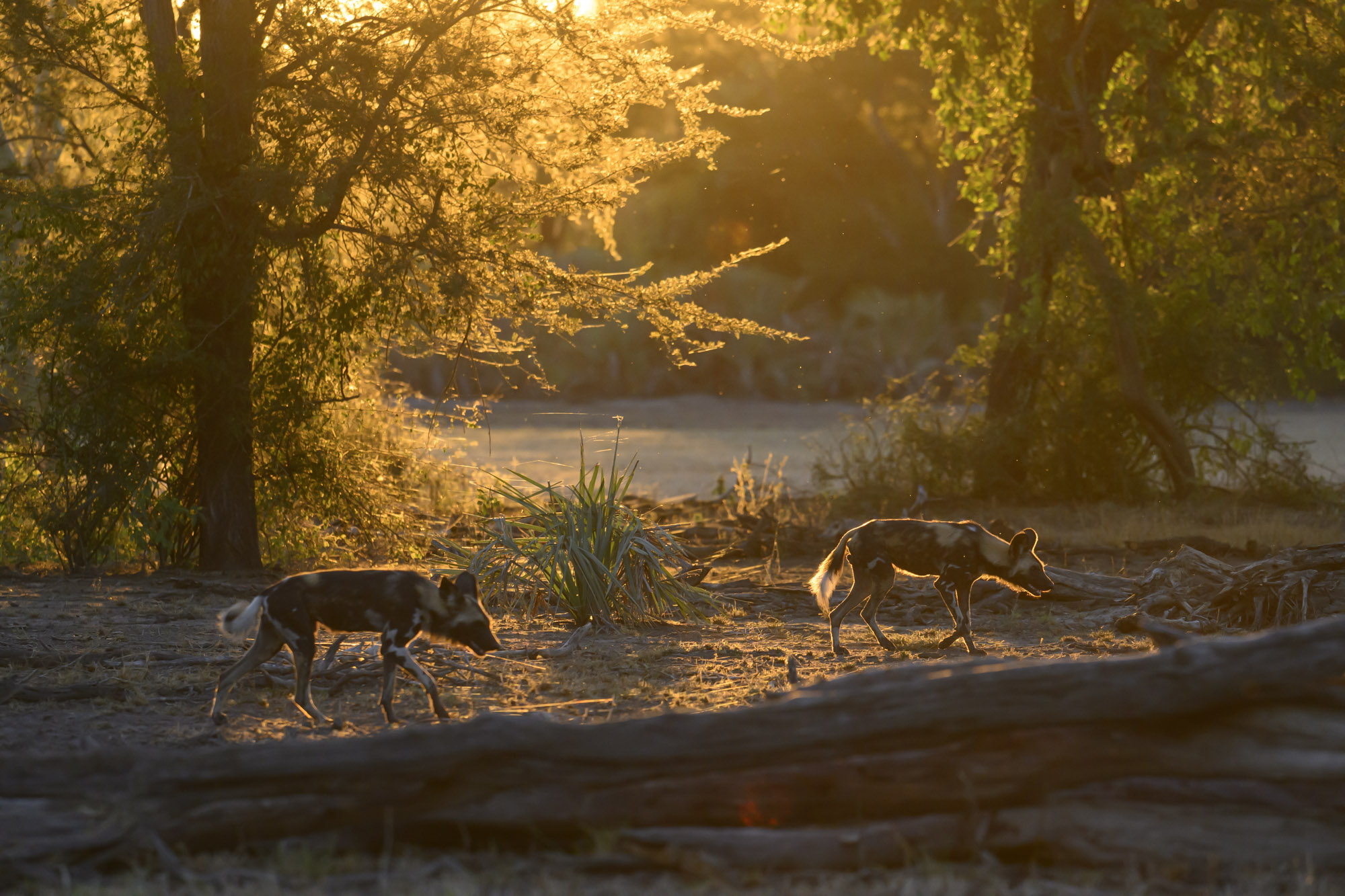
Predator numbers are growing steadily, and if there is one species that defines Gorongosa for me, it is the African wild dog. I genuinely believe this is currently one of the finest places on the continent to see and photograph them.
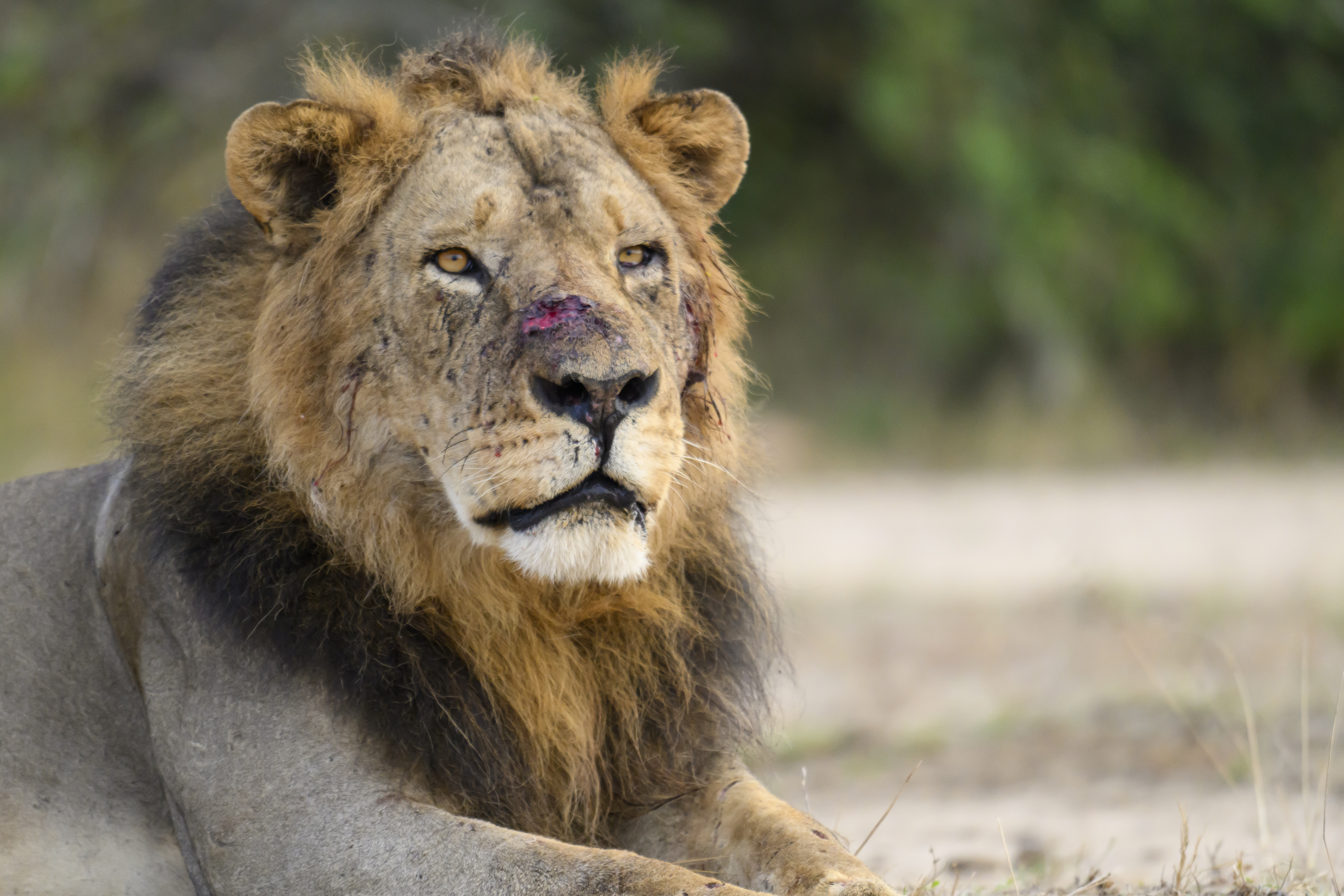
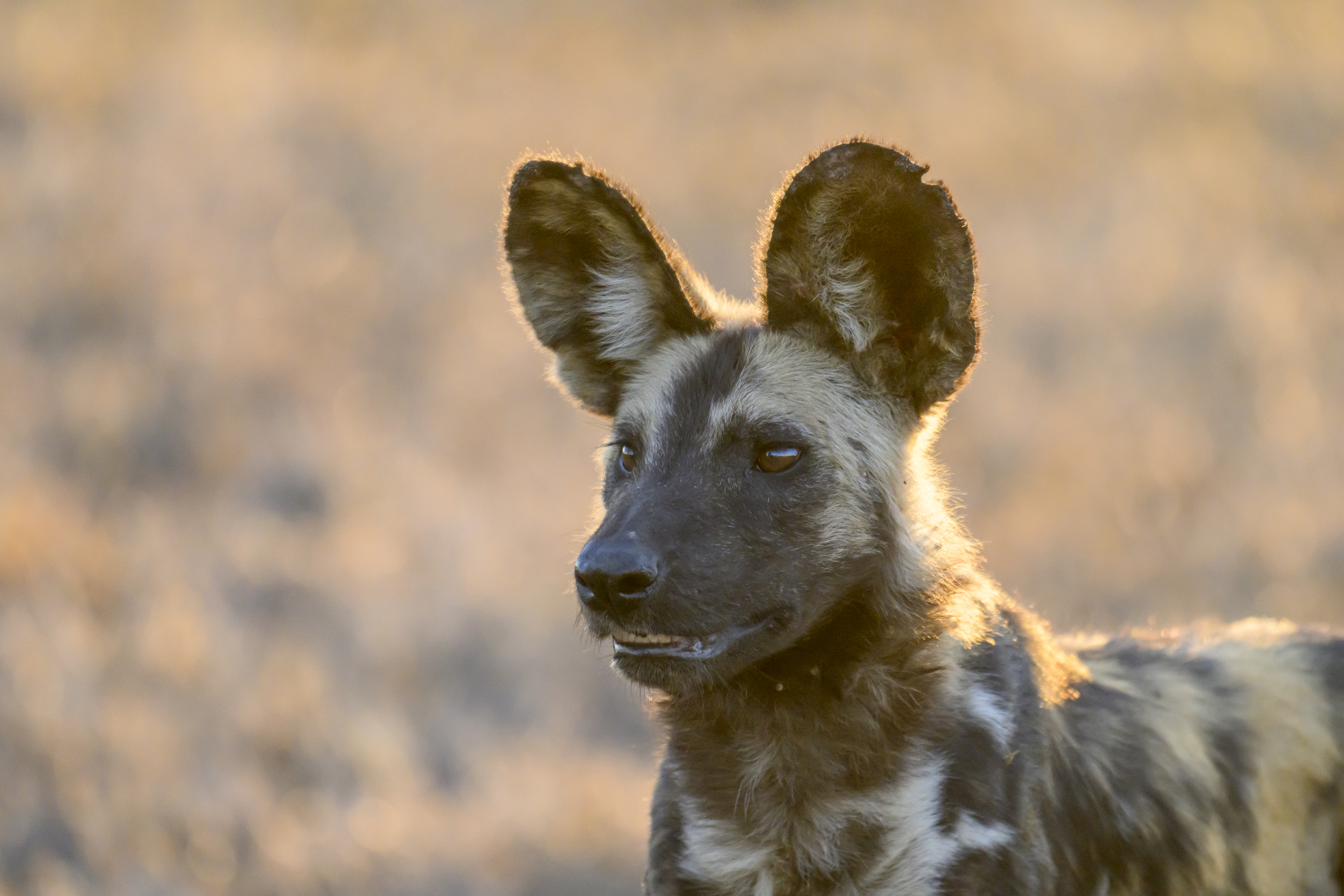
Gorongosa is proud to share its conservation work with visitors. Guests have the opportunity to spend time in the research facilities associated with leading institutions including Princeton, Oxford, and Cambridge Universities. It offers a fascinating insight into the science underpinning the reserve's recovery and the work being done to understand and protect its biodiversity.
The term "biodiversity" was first coined by Professor E.O. Wilson following his work in Gorongosa. Today, the reserve's research centre proudly bears his name, a fitting tribute to his contribution and the legacy he left behind.
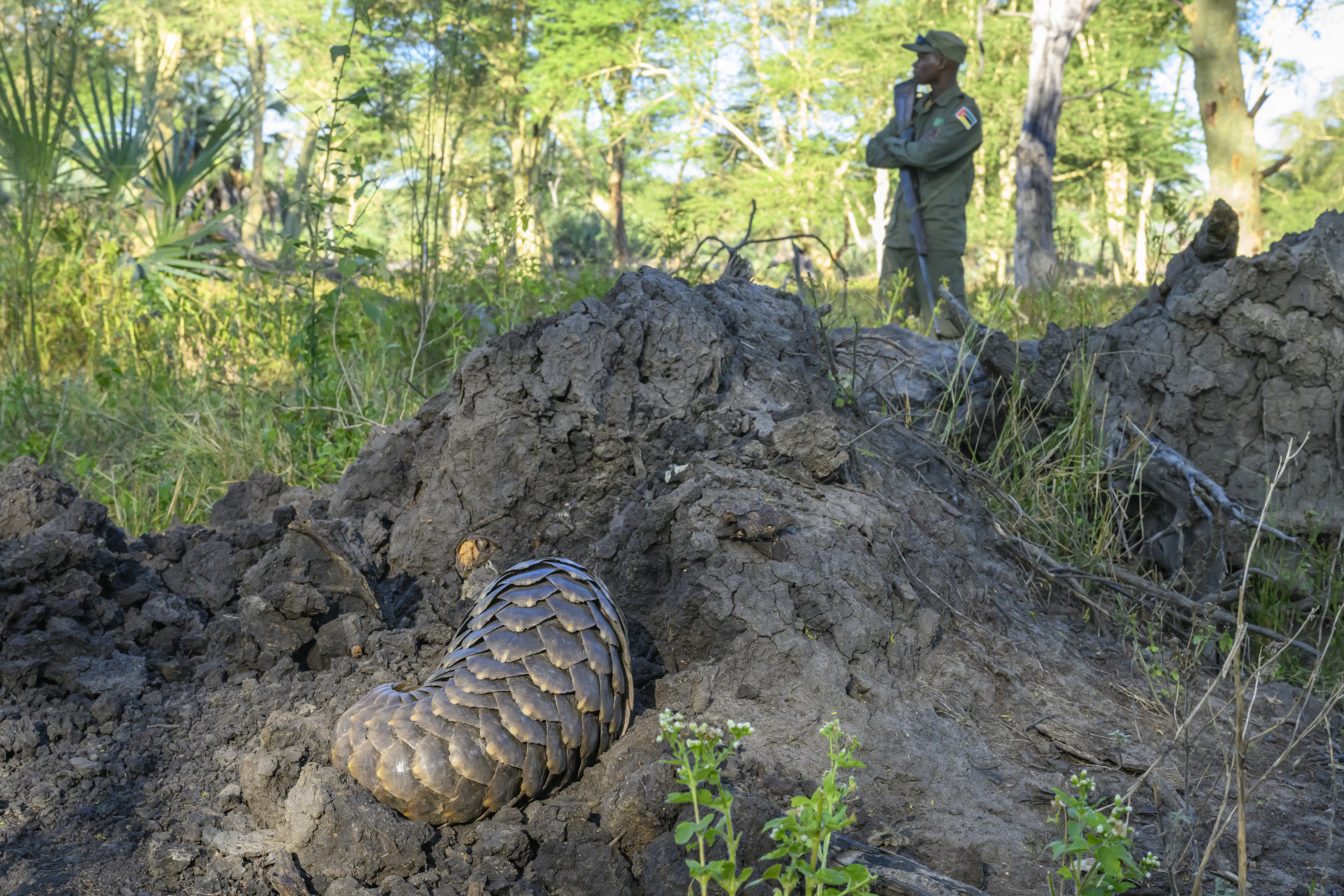
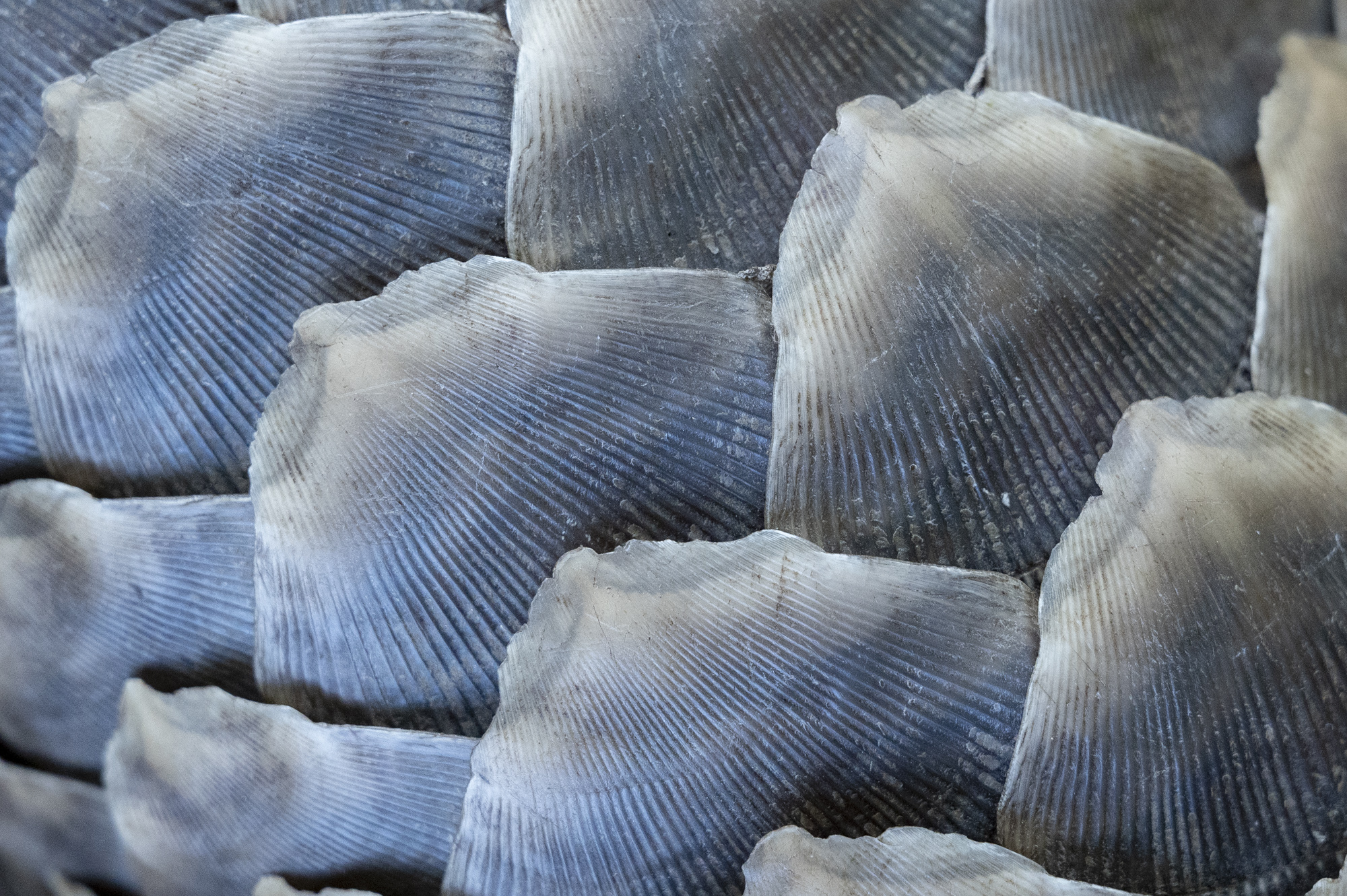
One of the most rewarding conservation stories currently unfolding in Gorongosa is the Pangolin Restoration Project.
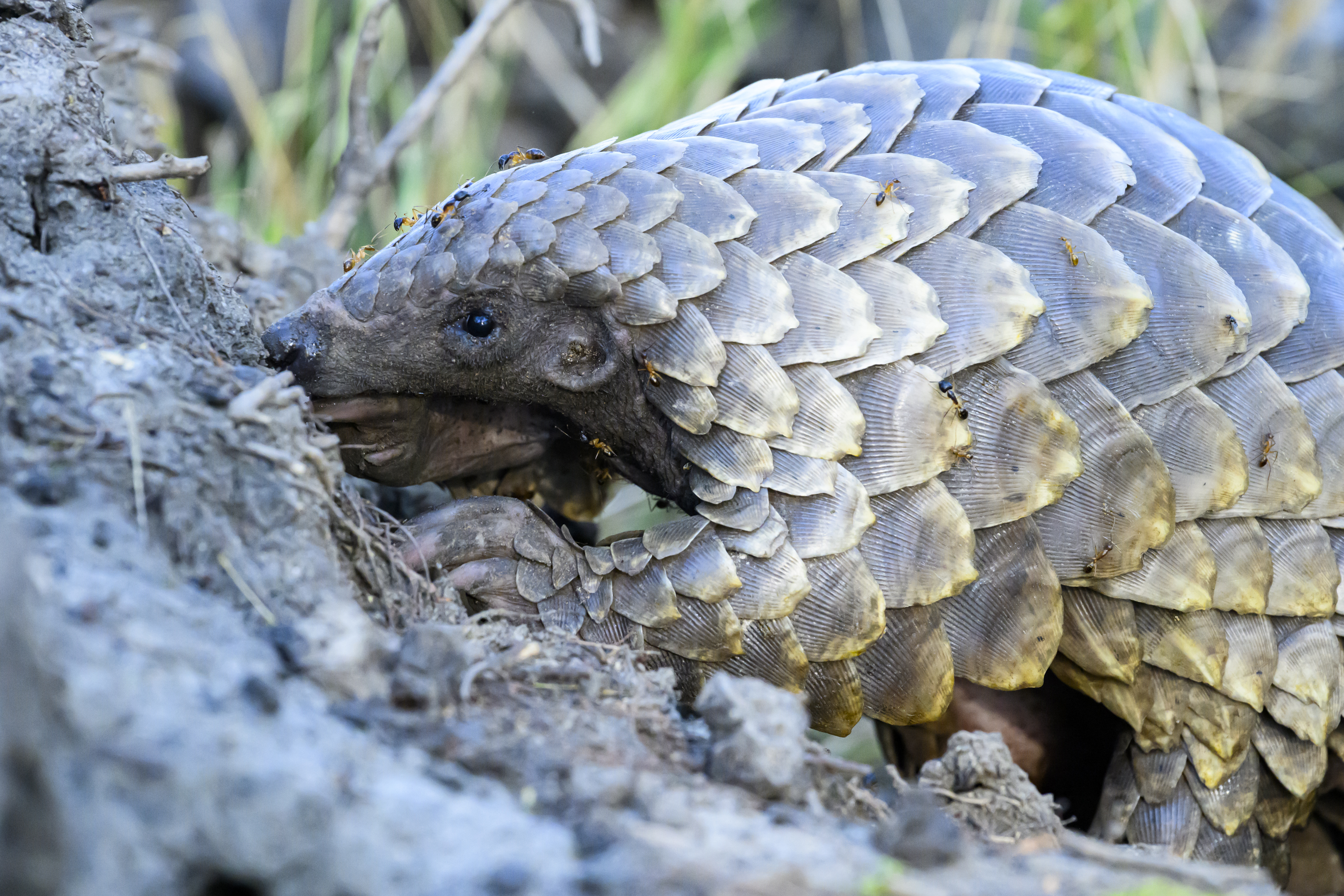
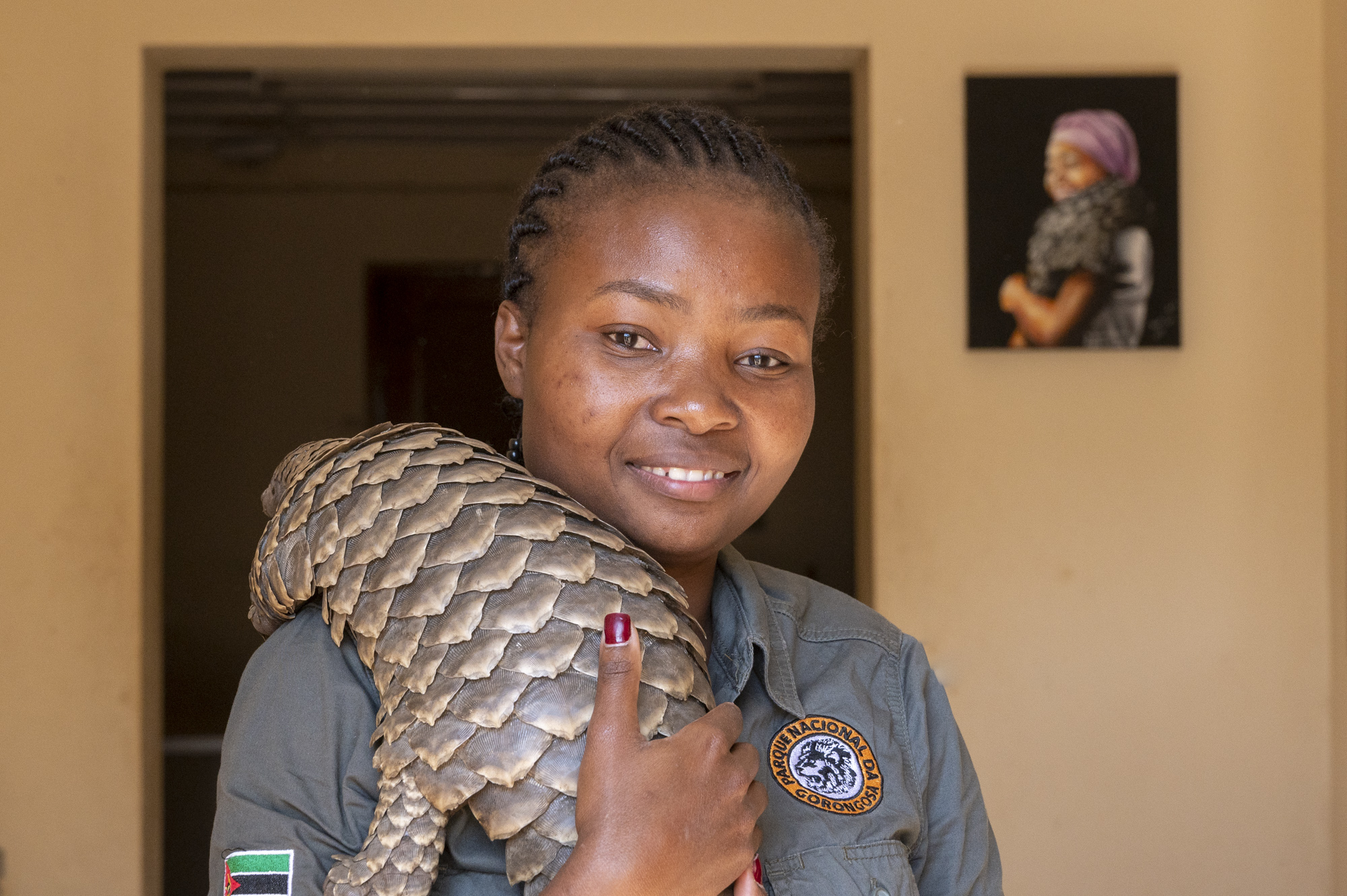
What makes the programme so remarkable is the role played by local communities. Villagers who once may have viewed pangolins simply as a resource are now reporting poaching incidents and helping ensure animals are rescued before entering the illegal wildlife trade.
Many of the pangolins that arrive at the centre are dehydrated, stressed and malnourished. Through dedicated care and rehabilitation, they are given a second chance before eventually being released back into the wild.
Joining one of the morning feeding sessions is a powerful experience. It provides a direct connection to the conservation work taking place behind the scenes and reminds you that every individual animal represents a much larger story.
Since the programme began, more than 130 pangolins have been successfully rehabilitated and returned to the wild.
For me, visiting Gorongosa has never been about ticking species off a list.
It is about understanding conservation, appreciating its challenges, and recognising its value.
Of course, you will photograph predators. You will capture beautiful birdlife. You may spend time with wild dogs and come home with images you are incredibly proud of.
But when you understand the story behind the photograph, the image becomes more meaningful. It carries greater weight, both for you and for the people with whom you share it.
That is ultimately why we continue to bring guests to Gorongosa.
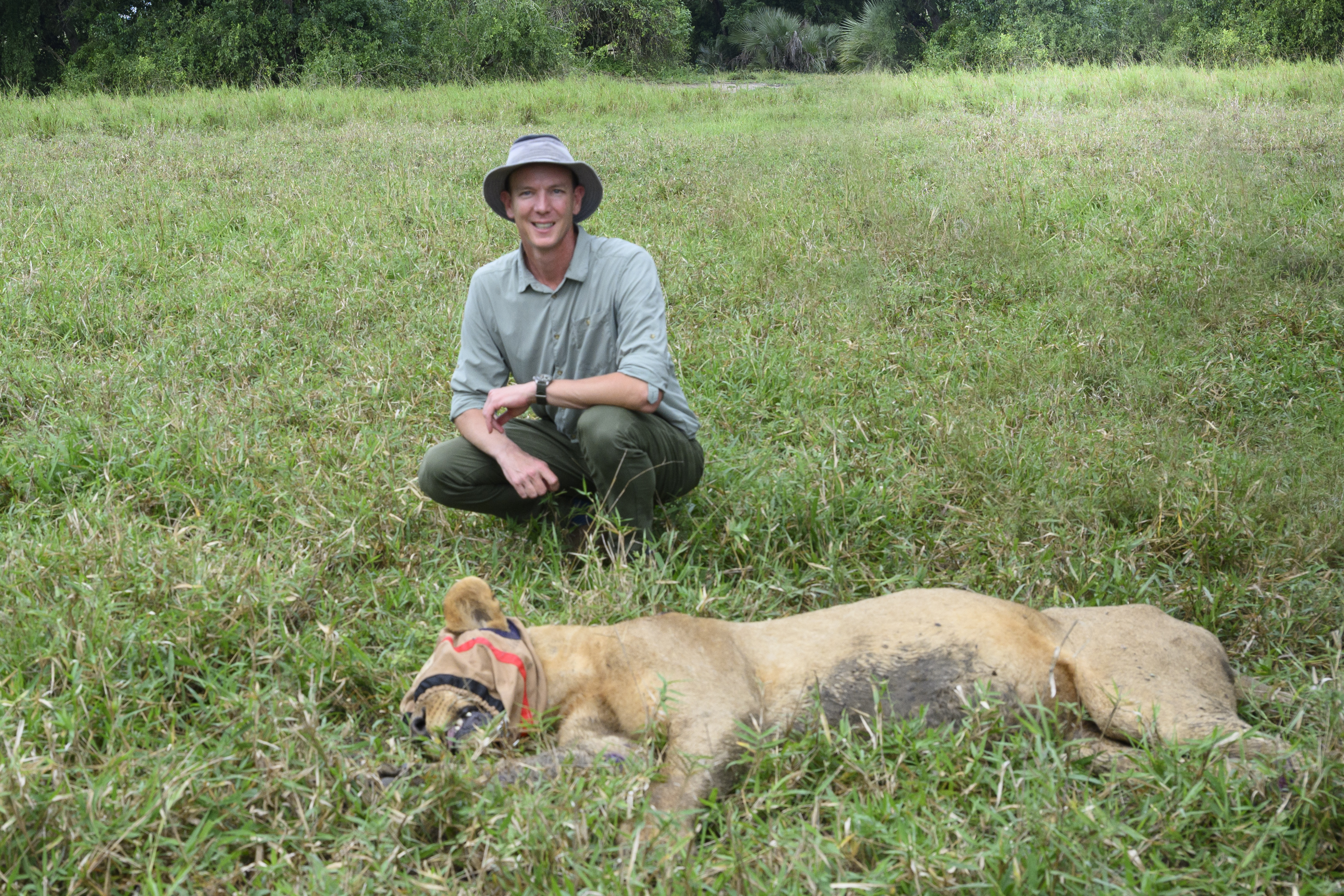
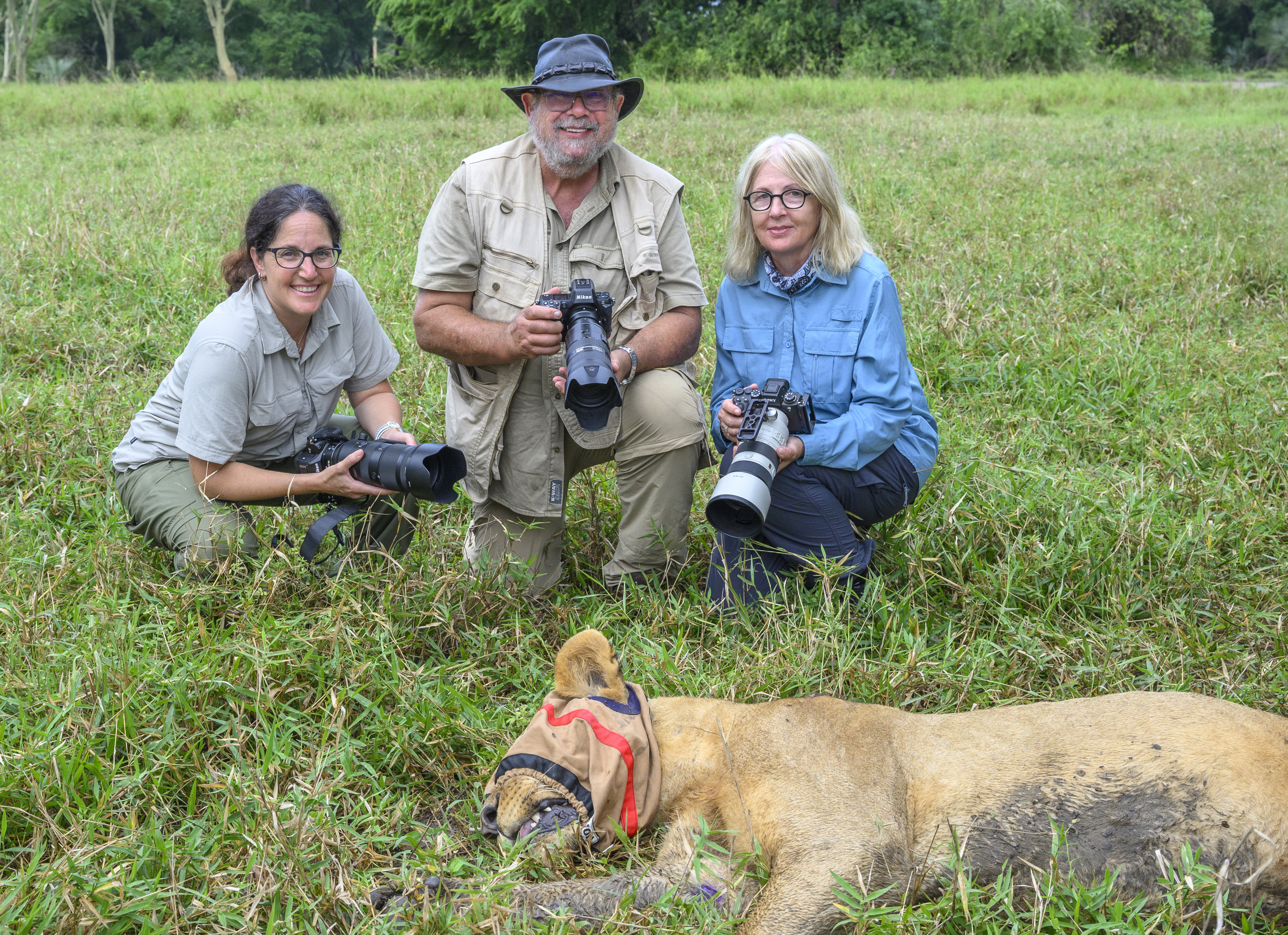
Not simply to photograph wildlife, but to experience one of the most inspiring conservation stories unfolding in Africa today.
As a point of pride for us at C4, we were honoured to bring the first paying guests to Muzimu Camp when it opened in 2022. The trip had been delayed by Covid, but as soon as the opportunity presented itself, we knew we wanted our guests to be part of this next chapter in Gorongosa's story.