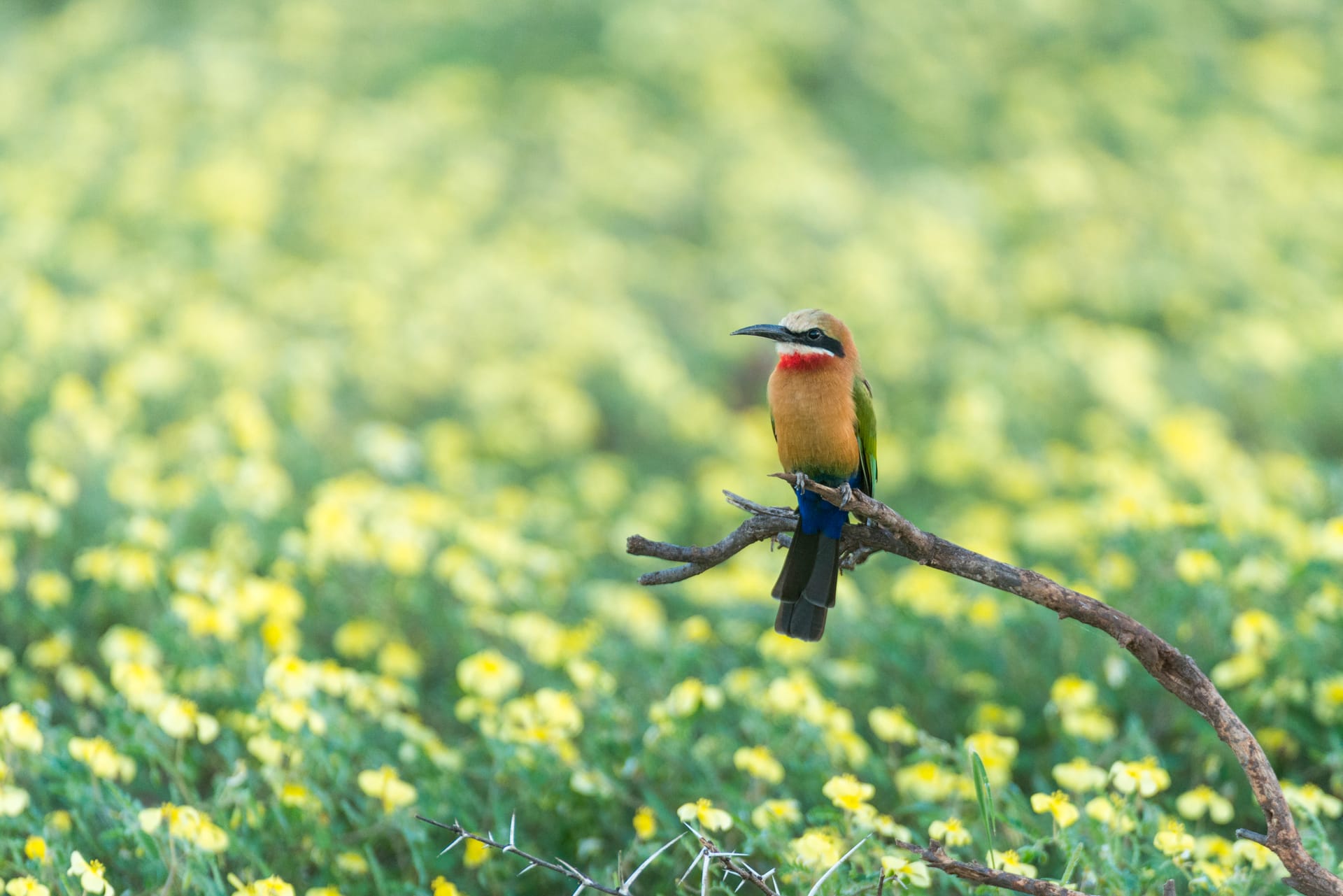
Bird Photography: Six Camera Settings That Will Improve Your Hit Rate
Photographing birds is one of the most demanding forms of wildlife photography.
Small subjects, fast movement and unpredictable behaviour mean there is very little room for error. The camera settings you use for elephants or lions will certainly work, but they won't give you the best chance of consistently capturing birds well.
After more than 25 years photographing wildlife across Africa, Shem Compion has found that bird photography is less about reacting quickly and more about being prepared before the opportunity arrives. The goal isn't simply to get the photograph; it's to improve your hit rate.
Here are the six settings and techniques he changes whenever birds become the focus.
1. Increase Your Frame Rate
Birds move quickly, often changing position in a fraction of a second.
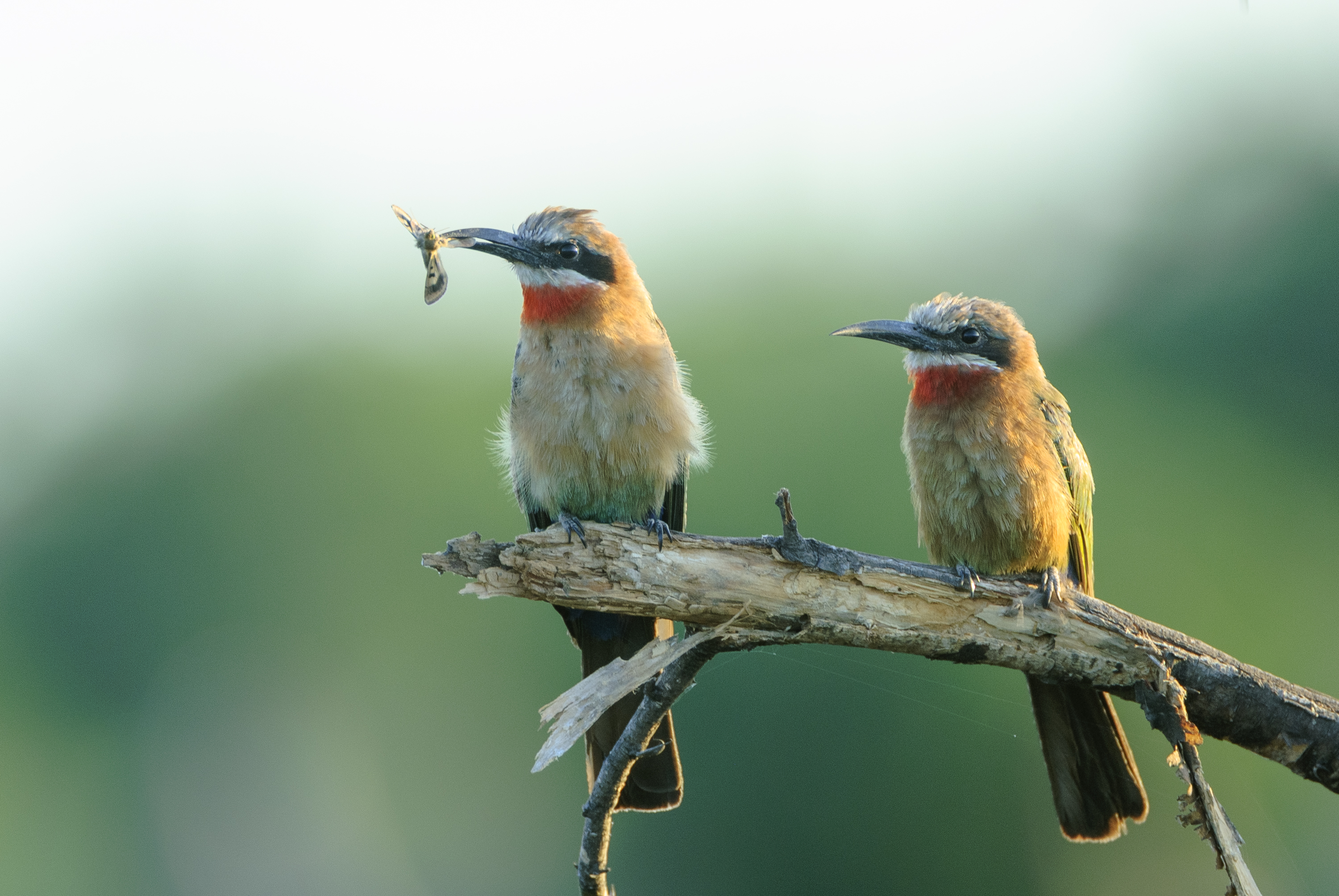
Increasing your camera's frame rate gives you more chances to capture the exact wing position, eye contact or behaviour you're looking for.
For general bird photography, Shem recommends shooting at around 15–20 frames per second. If there's interaction between birds, feeding behaviour or birds taking flight, he increases it to 20 fps.
The more frames you capture during the action, the greater your chance of coming home with the image you wanted.
2. Use Pre-Capture for Birds Leaving a Perch
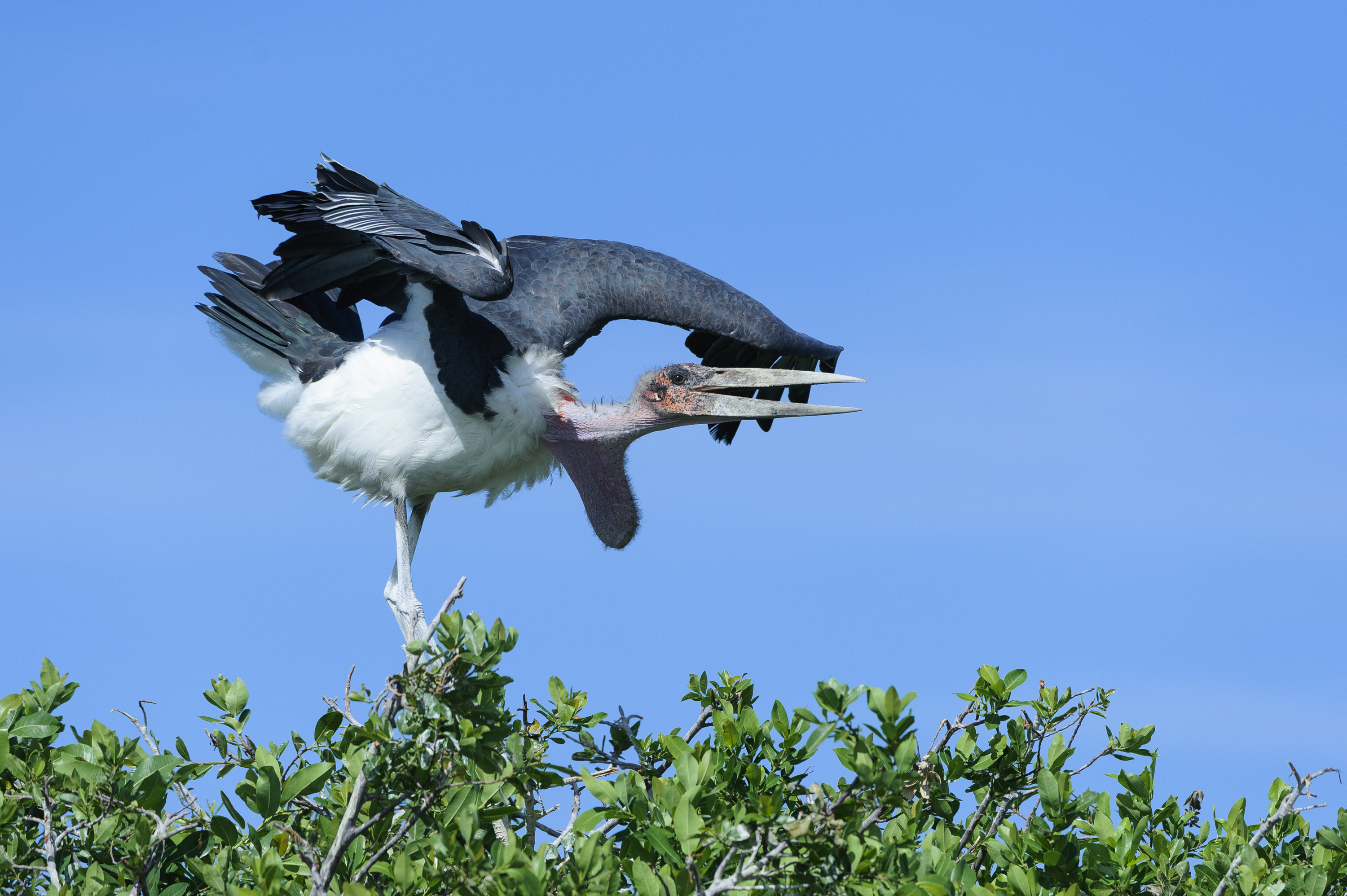
One of the biggest advances in bird photography has been pre-capture.
Human reaction time is simply too slow to catch the exact moment a bird leaves a branch. By the time we press the shutter, the bird is already gone.
Pre-capture solves that problem by recording images before you fully press the shutter button.
Shem recommends using this specifically when a bird is perched and you expect it to take off. It is not designed for birds already flying, but for those moments where you know action is about to happen.
3. Choose the Right Focus Mode
Continuous autofocus should always be your starting point when photographing birds.
From there, the focus area depends on the situation.
For a bird sitting on a perch or standing in an open area, Shem prefers a large focus point in the centre of the frame. It allows the camera to lock accurately onto the subject.
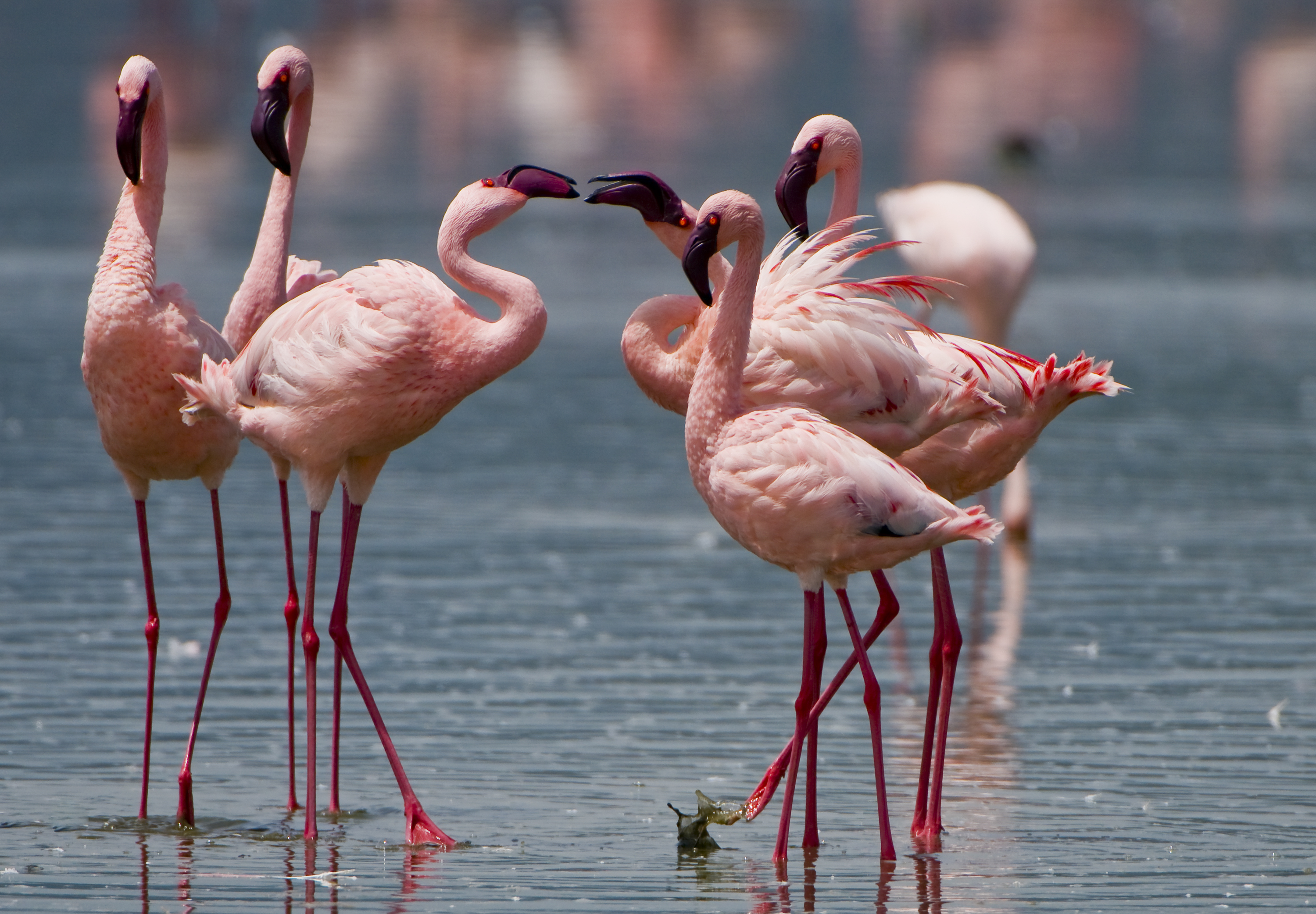
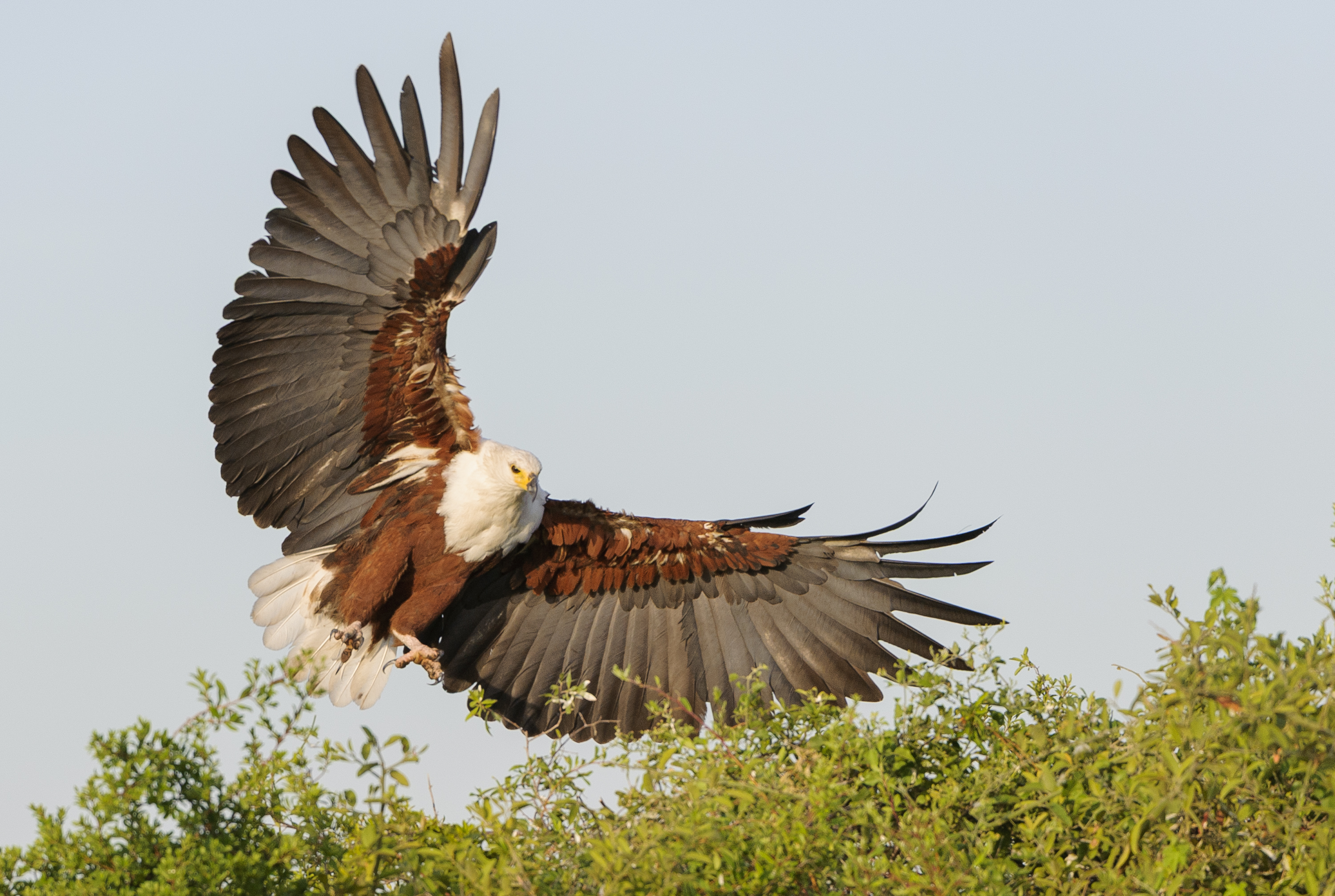
When photographing birds in flight or groups of birds, he switches to a wider focus area that gives the camera more room to track movement across the frame.
Rather than scrolling through every autofocus option, he recommends assigning your preferred focus modes to custom controls so you can switch between them immediately.
4. Start With a Faster Shutter Speed
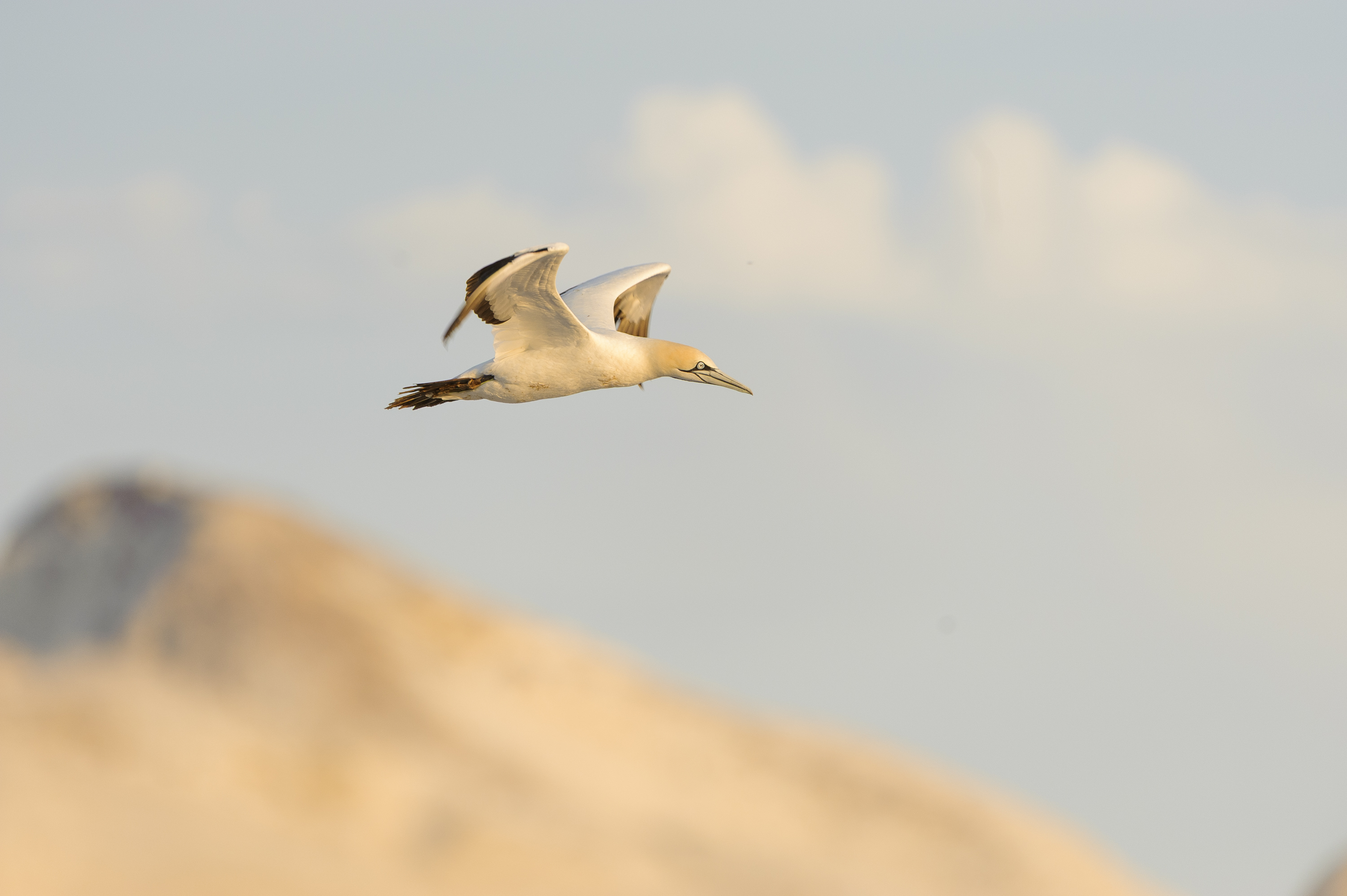
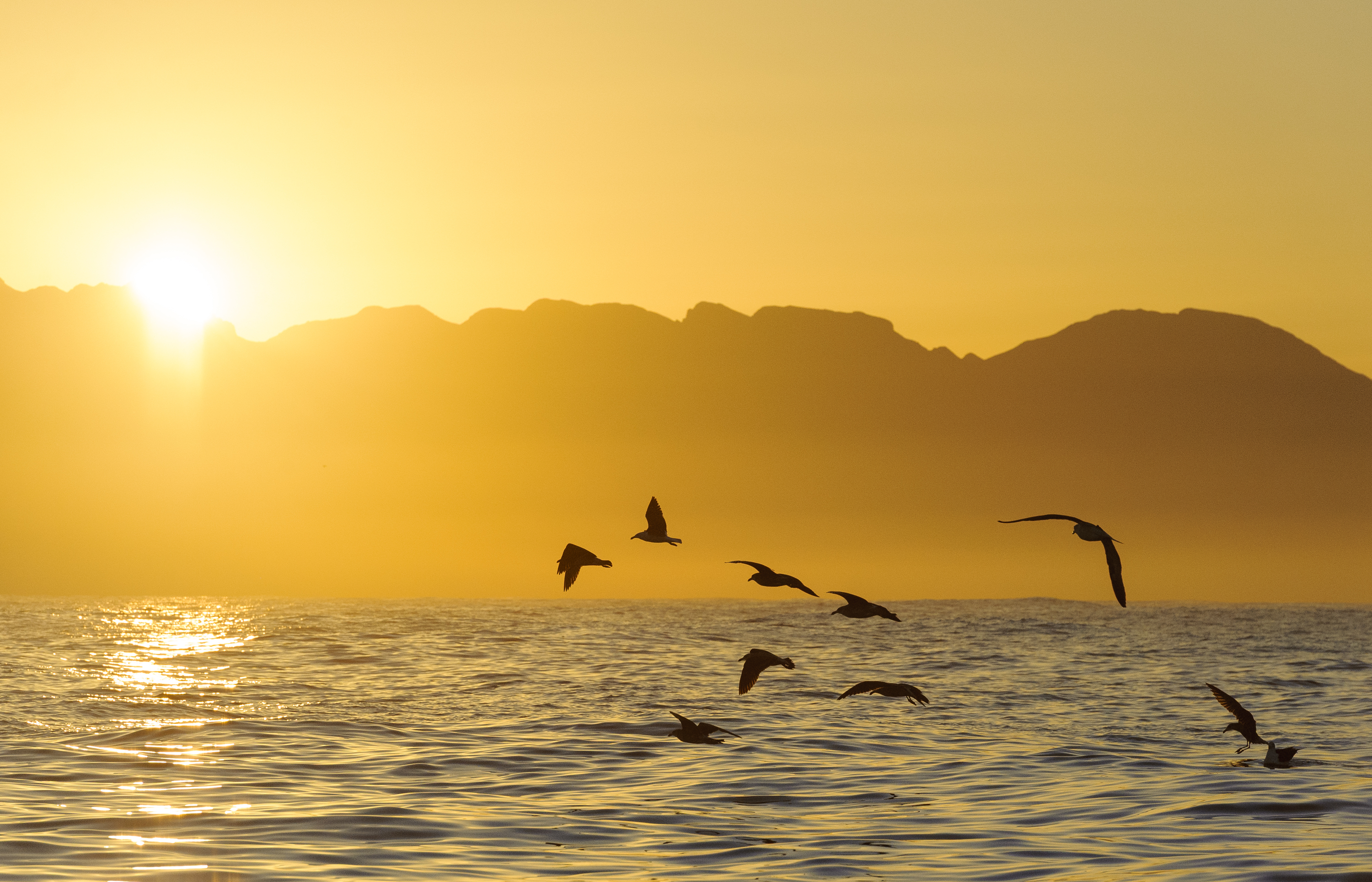
If your shutter speed is too slow, sharp focus won't save the image.
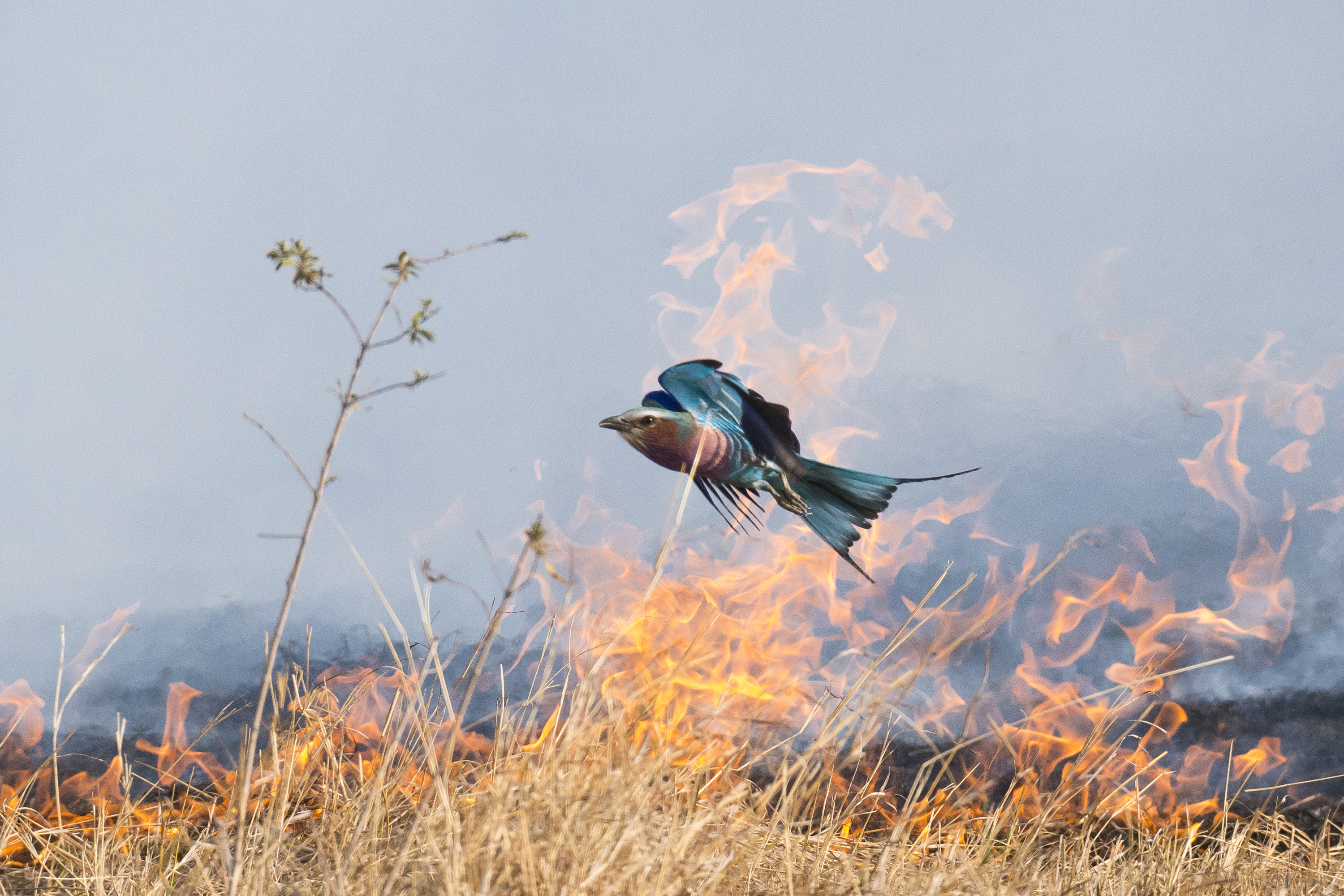
For most bird photography, Shem starts at around 1/1600 second.
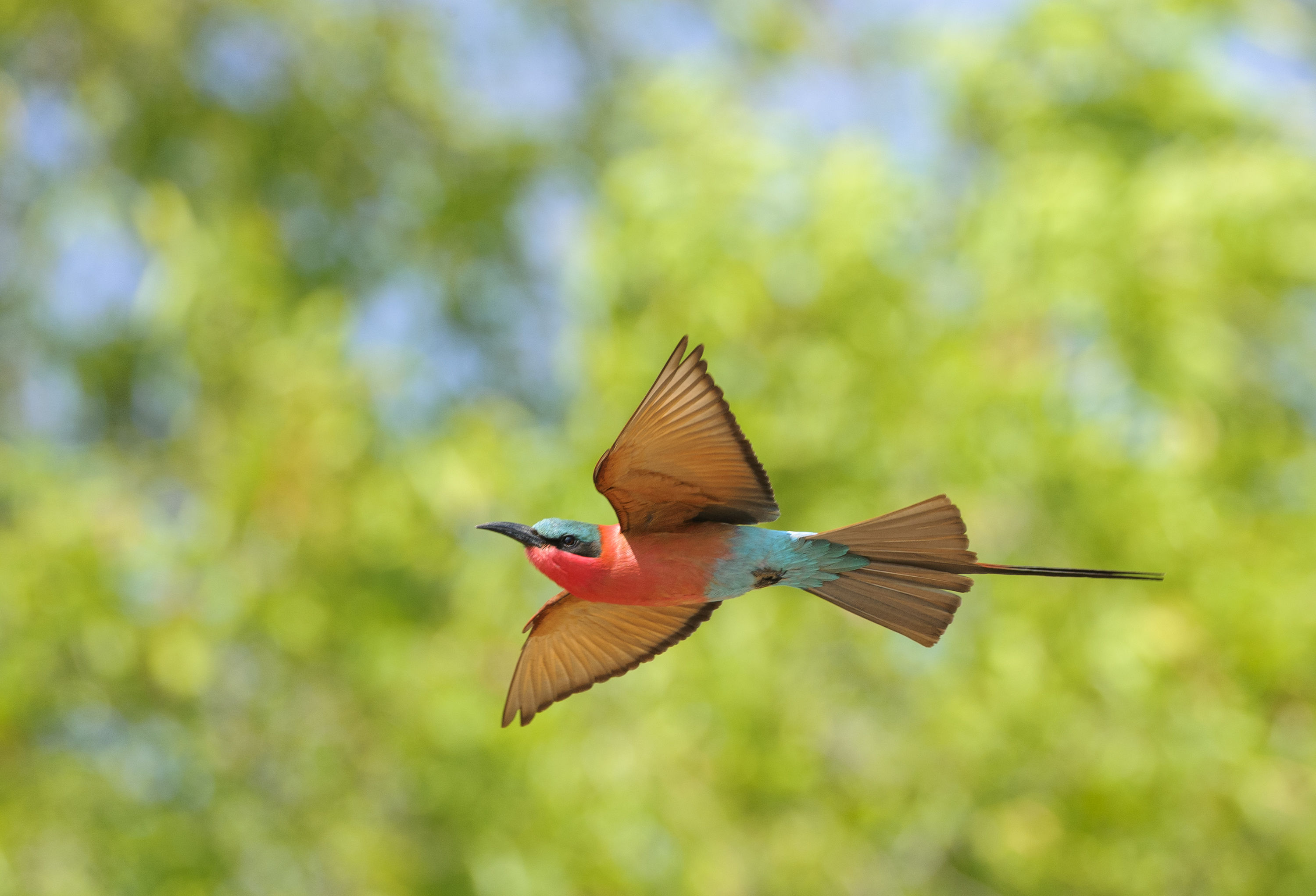
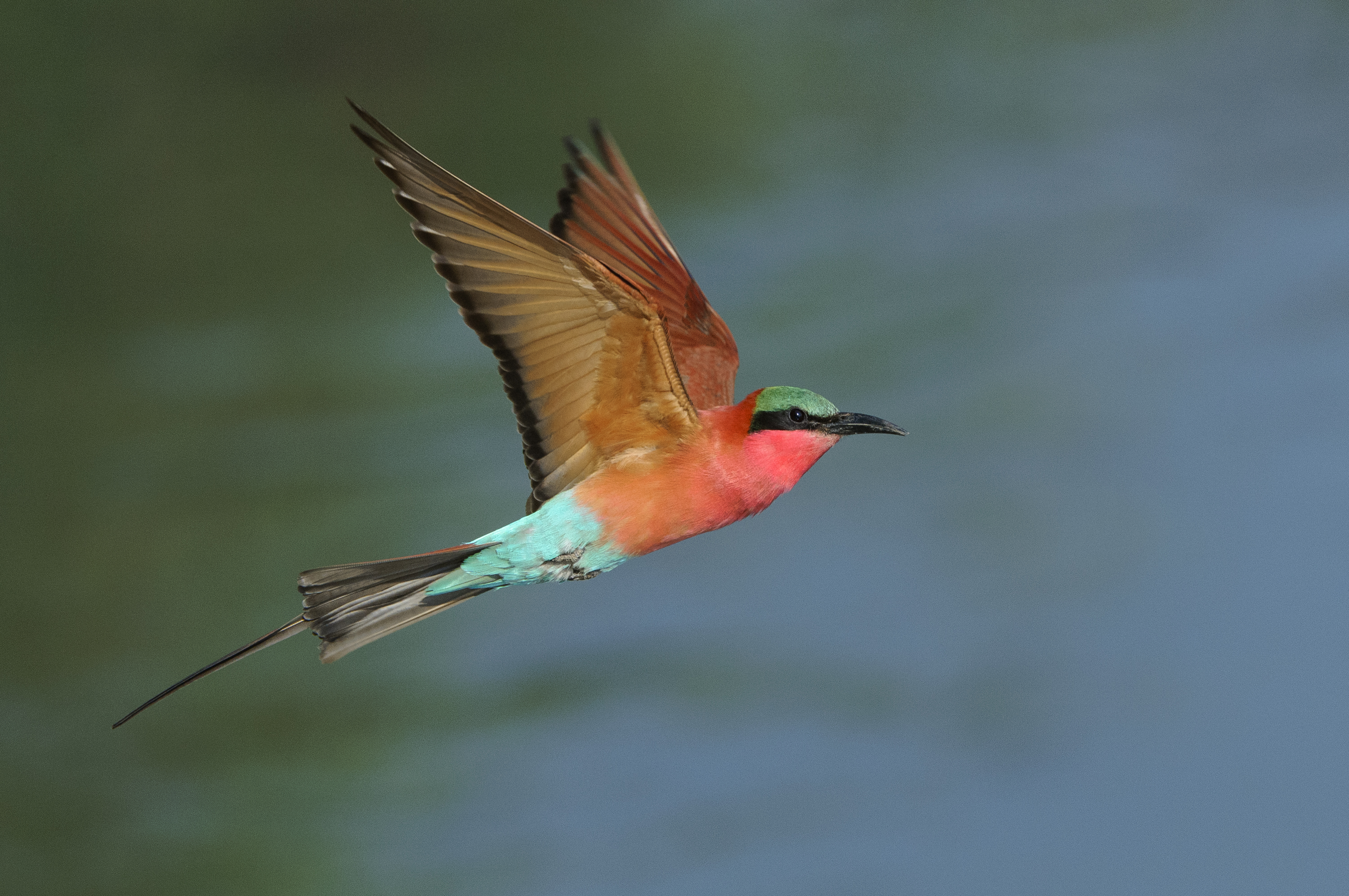
Smaller birds move much faster, so he often increases that to 1/2500, 1/3200 or even 1/4000 second, depending on the available light.
A useful rule is to think about the bird before you arrive.
If you already know you're approaching bee-eaters or kingfishers, set the shutter speed before the action starts.
5. Learn to Use Exposure Compensation
Exposure compensation is one of the quickest ways to improve bird photographs.
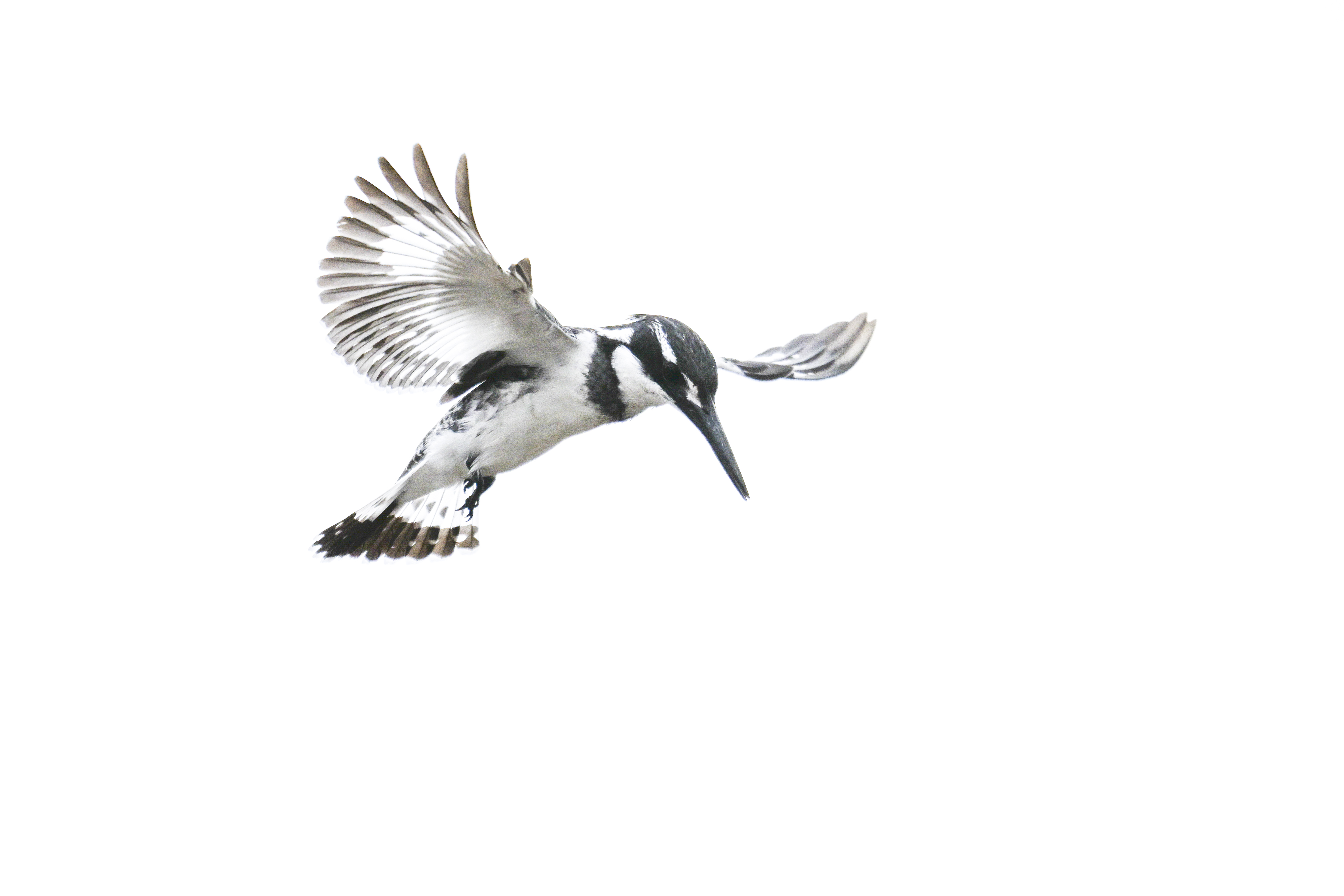
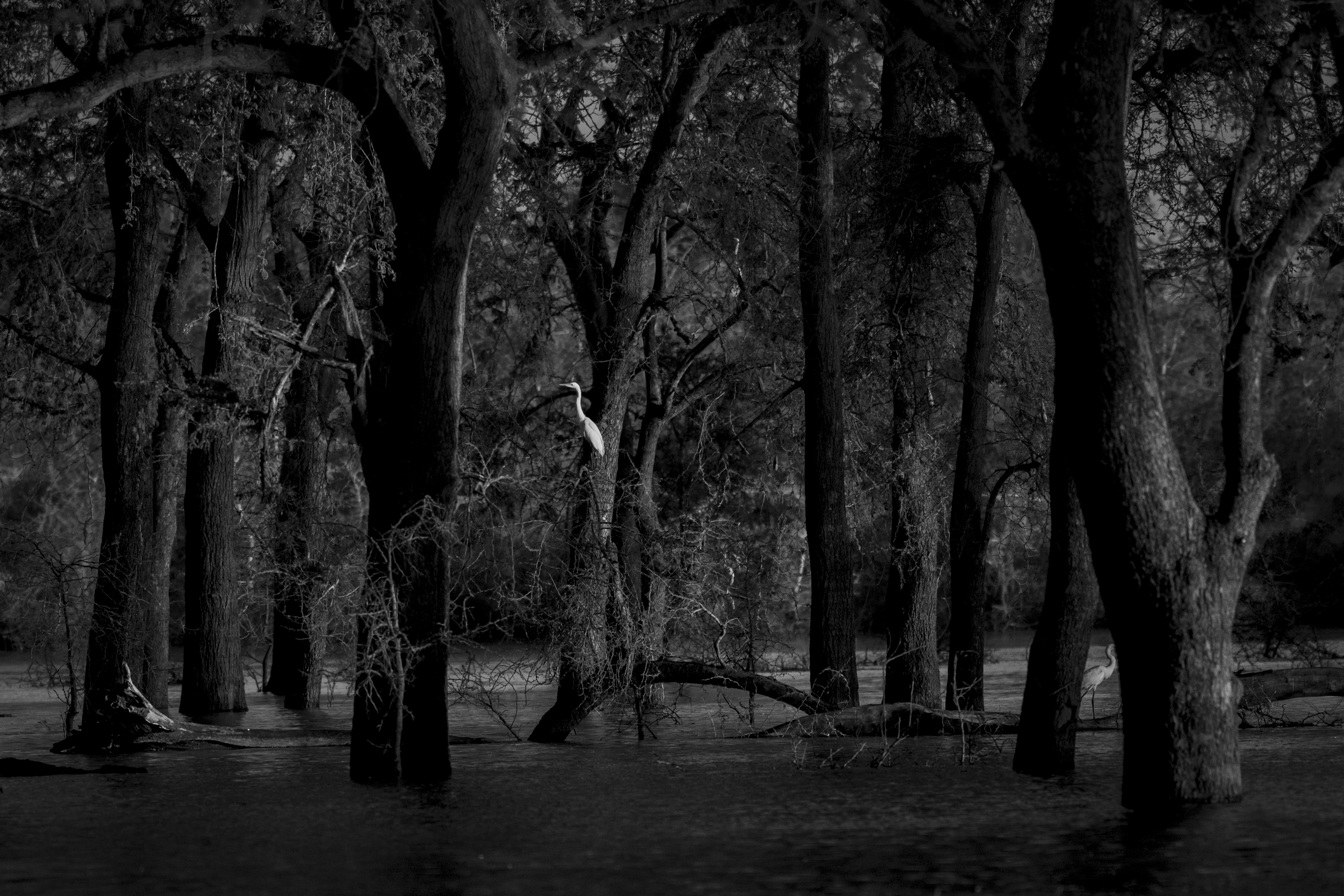
White birds, dark birds and birds photographed against bright skies all fool your camera's meter in different ways.
Making small adjustments with exposure compensation allows you to expose the bird correctly while also controlling the look of the final image.
Sometimes that means darkening the background to isolate the subject.
Other times it means brightening the image to retain detail in white plumage.
The important part is knowing how quickly you can adjust it while you're photographing.
6. Prepare for the Pan
Bird photography isn't only about camera settings.
Your body position matters as well.
Before the bird takes off, think about where it is most likely to fly. Position yourself so your body can move naturally through the pan rather than reaching or twisting halfway through the sequence.
Good balance makes it much easier to keep the bird in the frame and maintain smooth movement as you track it across the sky.
Preparation Improves Your Photography
One of the main points Shem makes throughout the video is that successful bird photography starts before the bird appears.
Recognise the opportunity early.
Change your frame rate.
Choose the right focus mode.
Increase your shutter speed.
Be ready before the bird takes off.
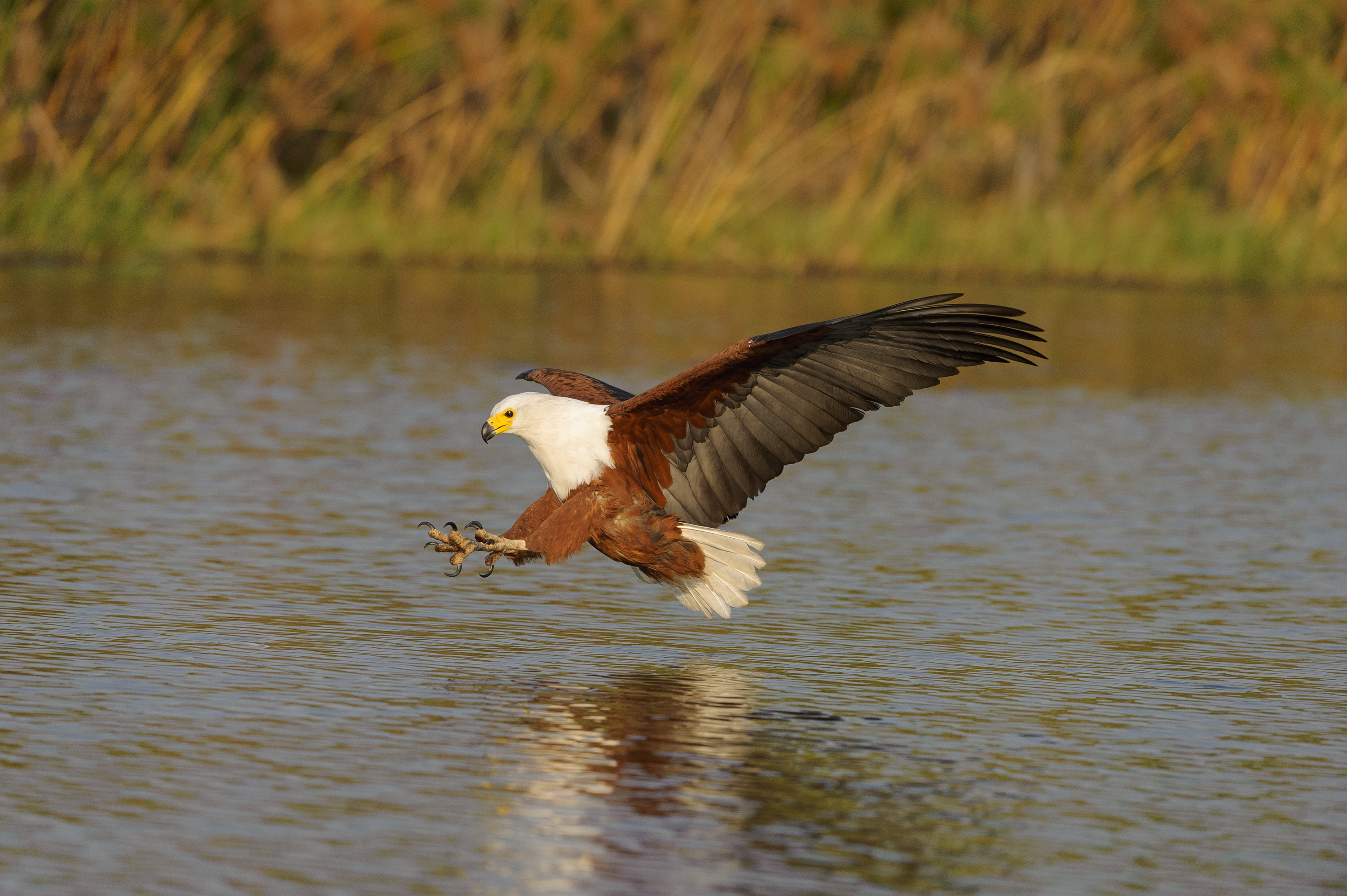
None of these settings guarantees a great photograph, but together they increase your chances significantly. And when you're photographing one of the fastest subjects in nature, improving your hit rate is often the difference between watching the moment happen and bringing the image home.