Liwonde National Park: A Conservation Success Story in Malawi
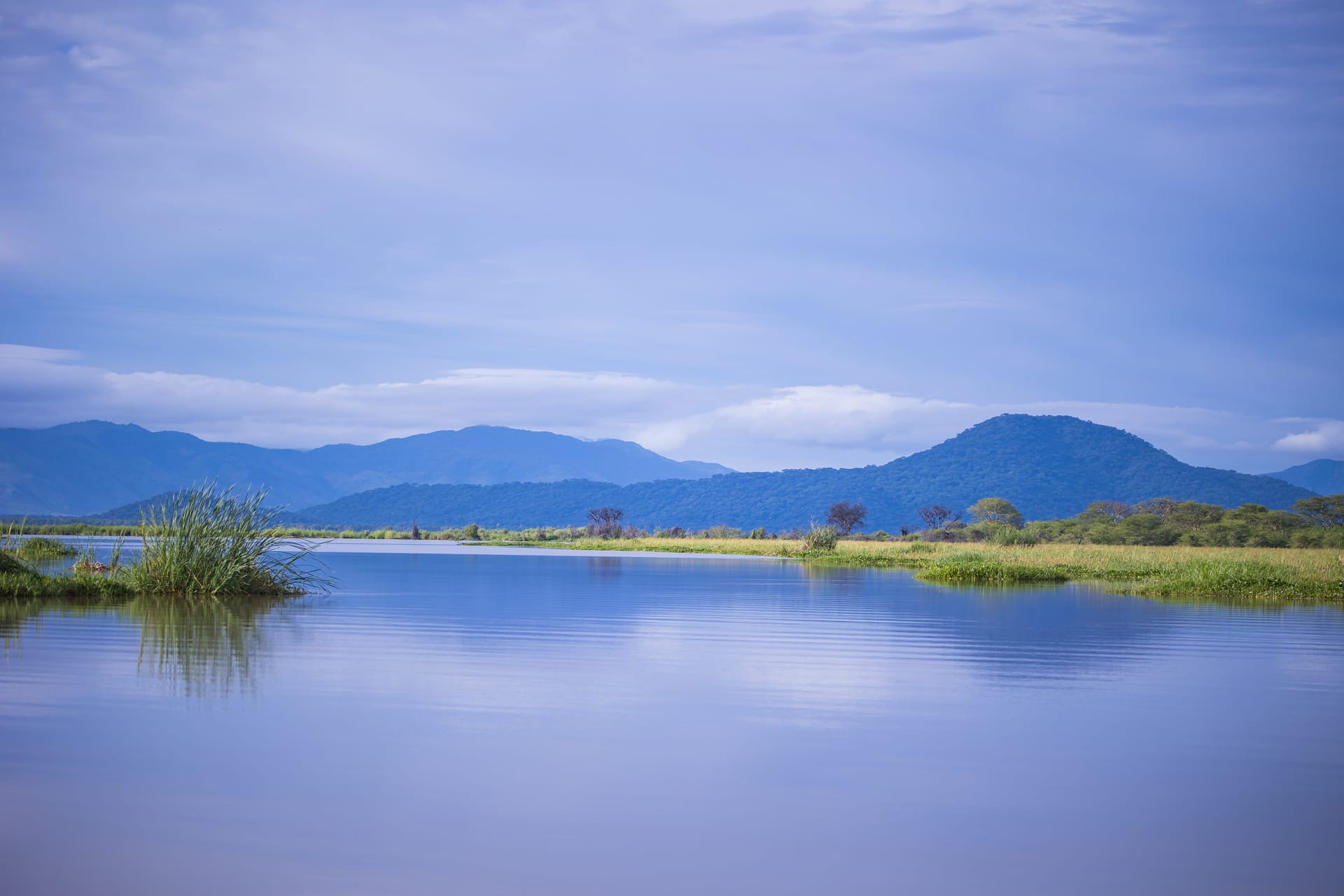
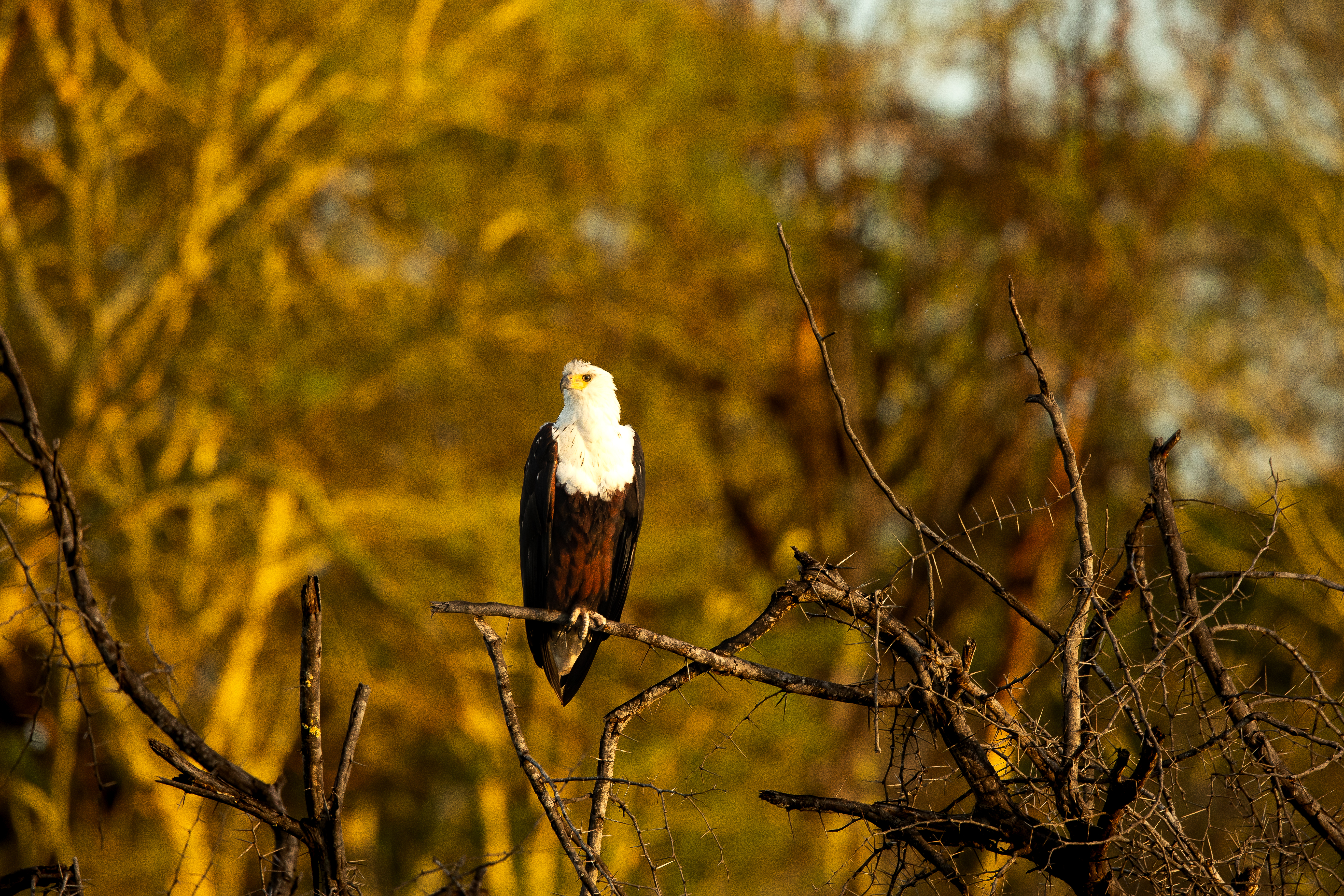
First light settles over the Shire River as elephants step quietly into the shallows, feeding on submerged grasses while fish eagles call from upstream. This is Liwonde National Park today, a landscape that feels settled and alive. What you see now, however, is thanks to careful and deliberate conservation efforts.
In this blog, Darren Donovan introduces one of Africa’s most quietly compelling parks, and explains how Liwonde has evolved to become a serious wildlife destination through a clear and measurable recovery.
1. A Conservation Turnaround Worth Understanding
In 2003, African Parks began partnering with Malawi’s Department of National Parks to manage key reserves. Liwonde joined this initiative in 2015 at a time when the park faced significant pressure. There were no resident predators, wildlife numbers had declined, and the ecosystem was under strain.
The recovery since then has been intentional and structured. Lions, cheetahs, and African wild dogs have been reintroduced. Black rhino populations have been relocated and are now growing under protection. River and floodplain systems have stabilised, allowing wildlife to return in balance.
This context shapes your experience in the field. You are not simply photographing wildlife, you are working within a landscape that has been carefully restored, where each sighting carries the weight of that effort.
2. Getting to Liwonde National Park
Access to Liwonde is straightforward, with two primary routes depending on your preference for time and logistics.
You can fly into Blantyre and take a road transfer north, a drive of around three and a half to four hours that gradually shifts from urban edges into rural Malawi and finally into the park boundary.
Alternatively, a charter flight from Blantyre brings you directly to the Liwonde airstrip, followed by a short transfer into camp.
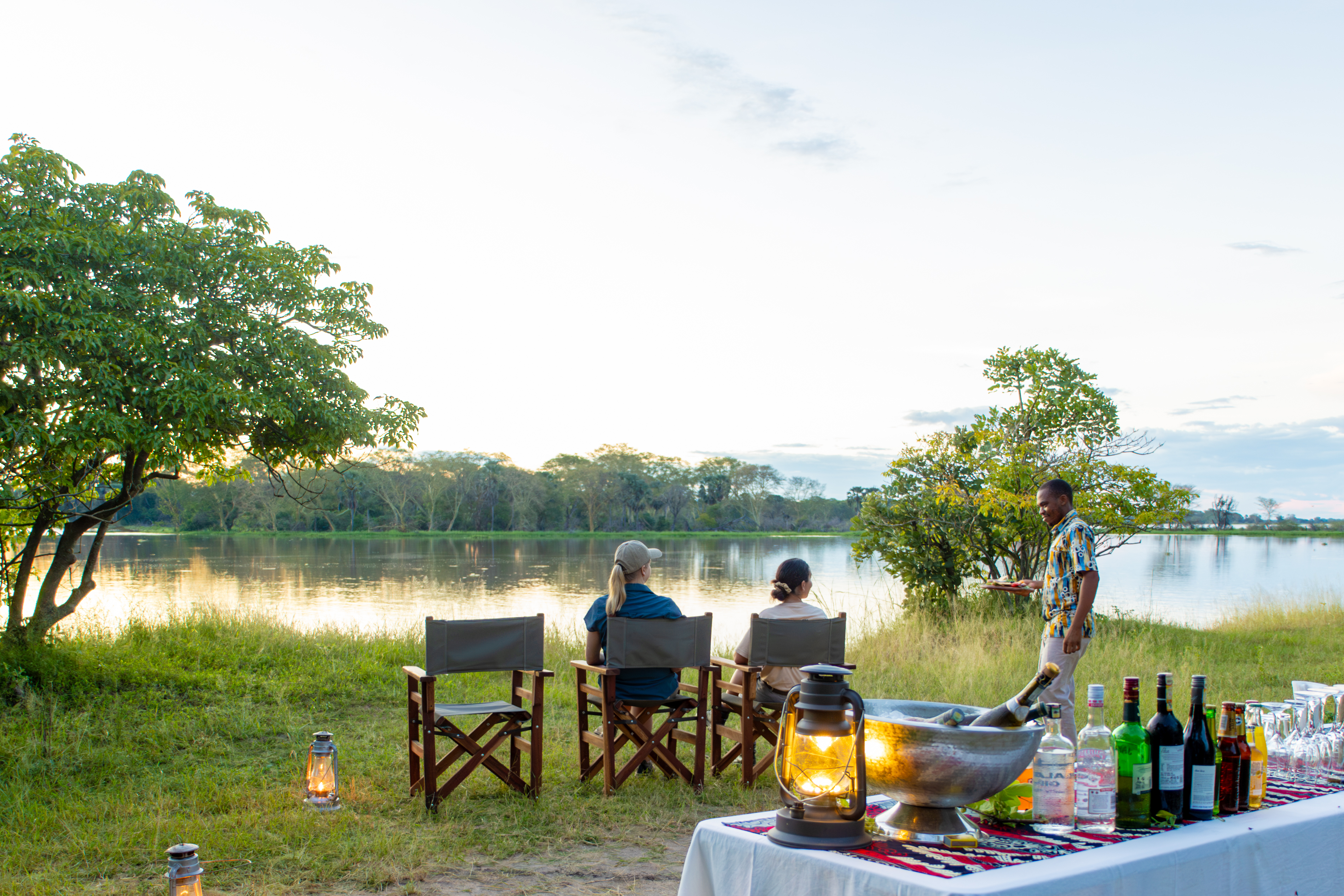
On arrival, the final approach may include a simple boat crossing on the Shire River. It is a small detail, but one that sets the tone, slowing the pace and placing you immediately within the landscape.
3. Understanding the Seasons
Liwonde shifts noticeably across three seasons, each shaping the photographic safari experience in different ways.
The hot and wet season, from mid-November to April, brings heavy rainfall, humidity, and afternoon storms. Access can be challenging, but the park becomes rich with birdlife and wetland activity. Elephants and buffalo remain active along the river, while predators are present but less accessible due to conditions.
From May to early September, the cold and dry season offers cooler mornings and no rainfall. Vegetation begins to thin, and movement through the park becomes easier. This is a balanced period, with consistent access and a wide range of subjects.
The hot and dry season, from September to mid November, concentrates the experience. As water sources diminish, wildlife gathers more predictably around the river system. Predator activity increases, and sightings become more workable from a photographic perspective.
4. What You Can Expect to Photograph
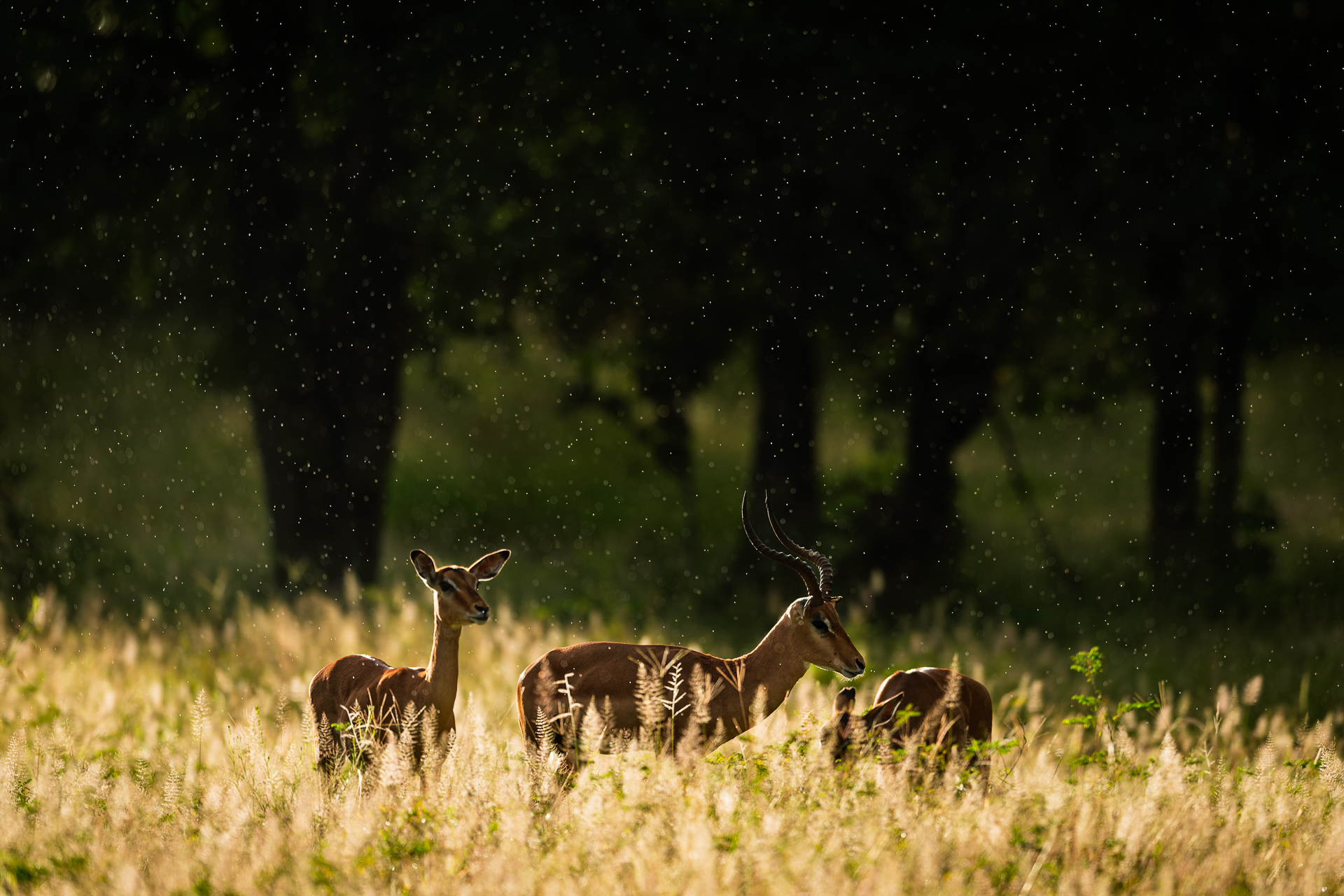
Your portfolio will always reflect the season, but certain elements define Liwonde throughout the year.
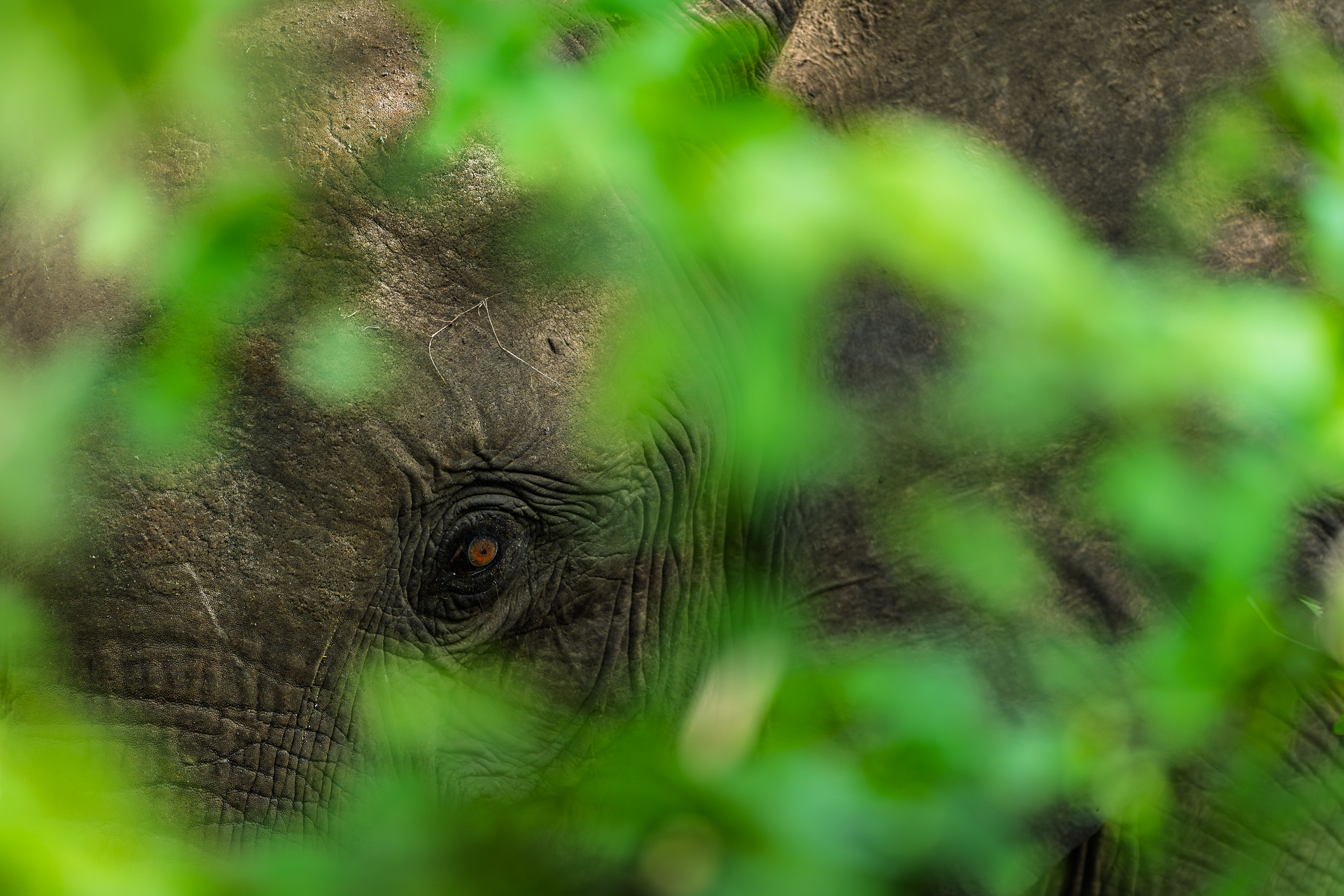
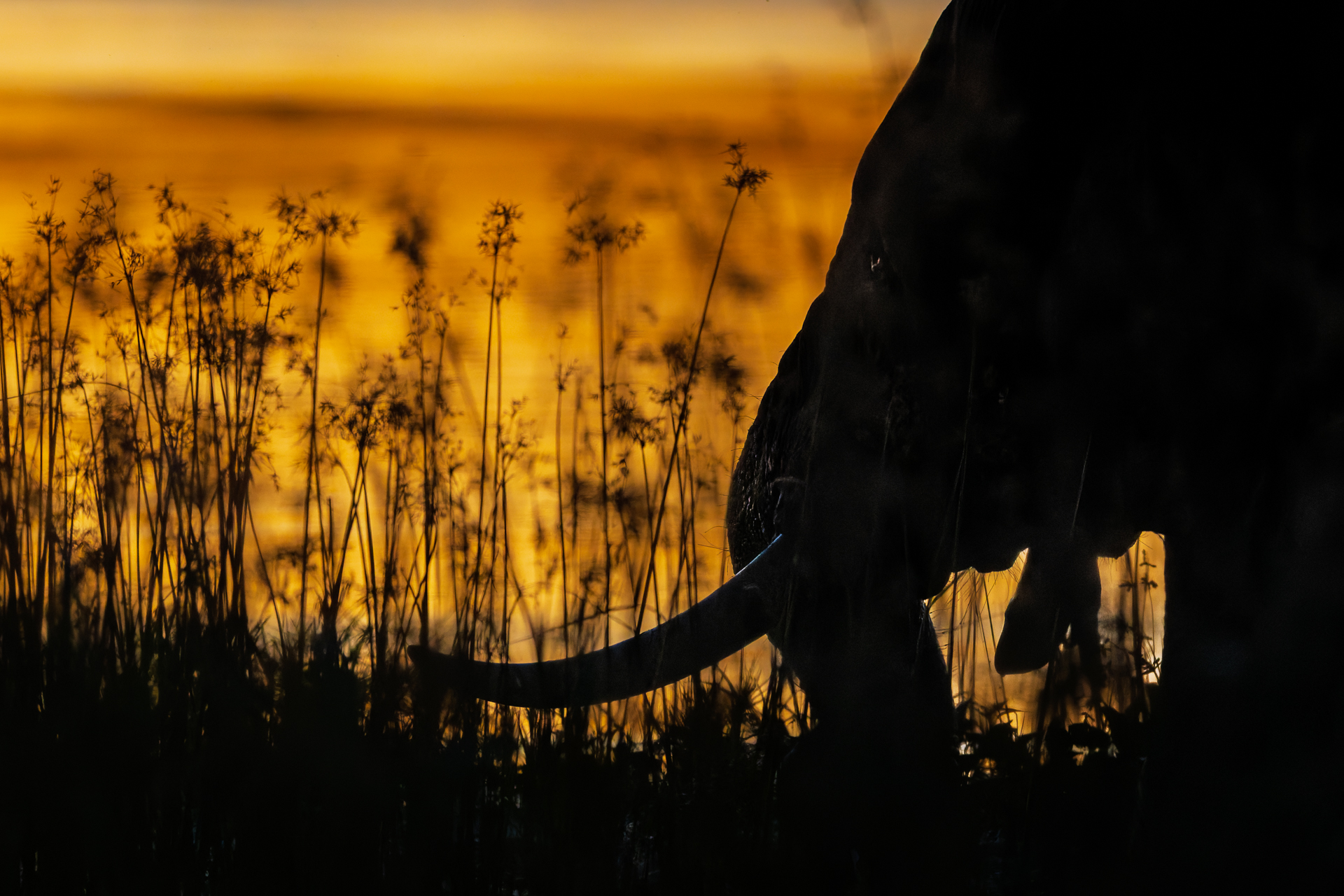
The Shire River anchors much of the activity. Elephants feed in the water, often fully committed to aquatic vegetation, while buffalo move steadily between floodplains and riverbanks.
Predator populations are now established, with lion, cheetah, and African wild dog sightings improving each year as territories settle and expand.
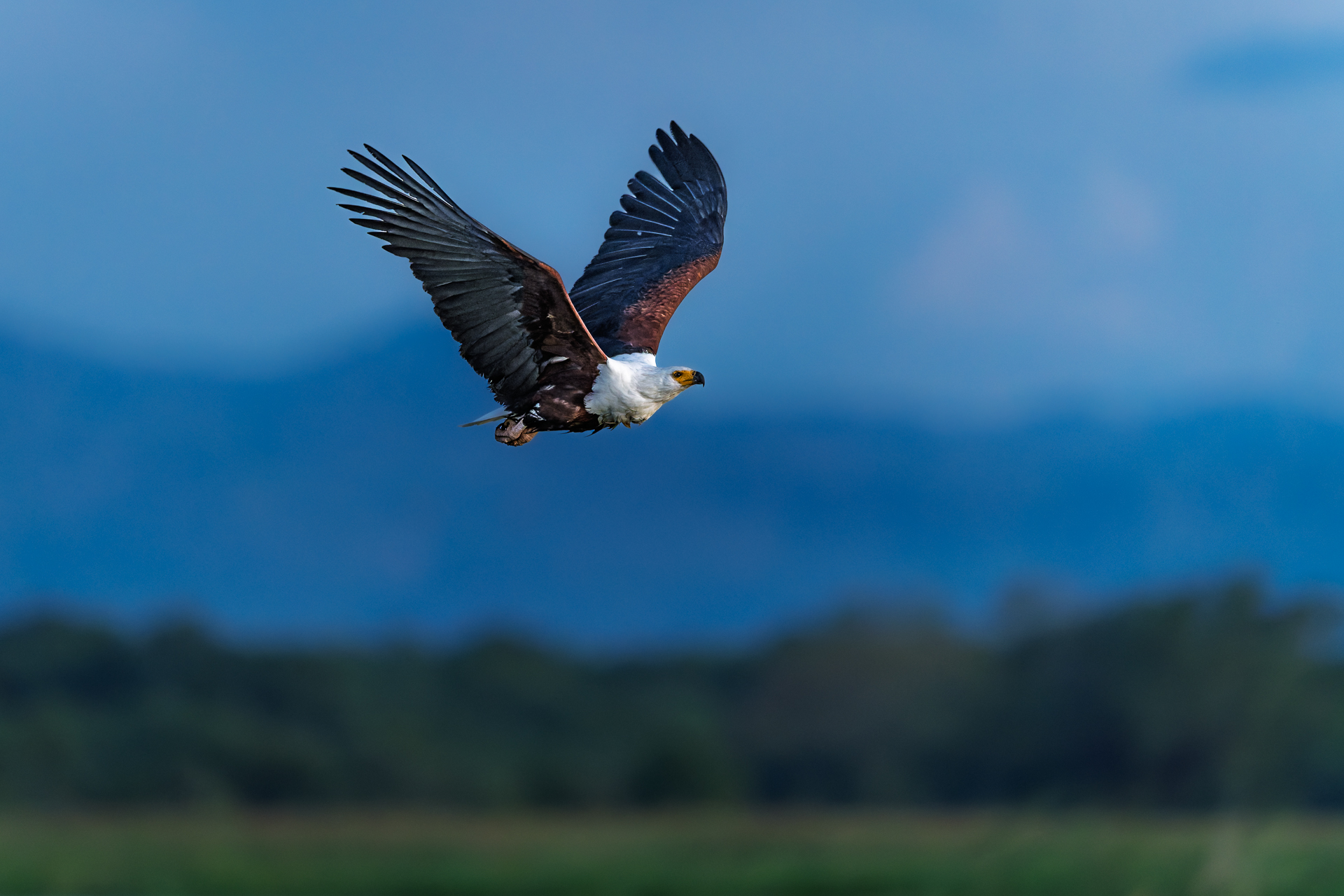
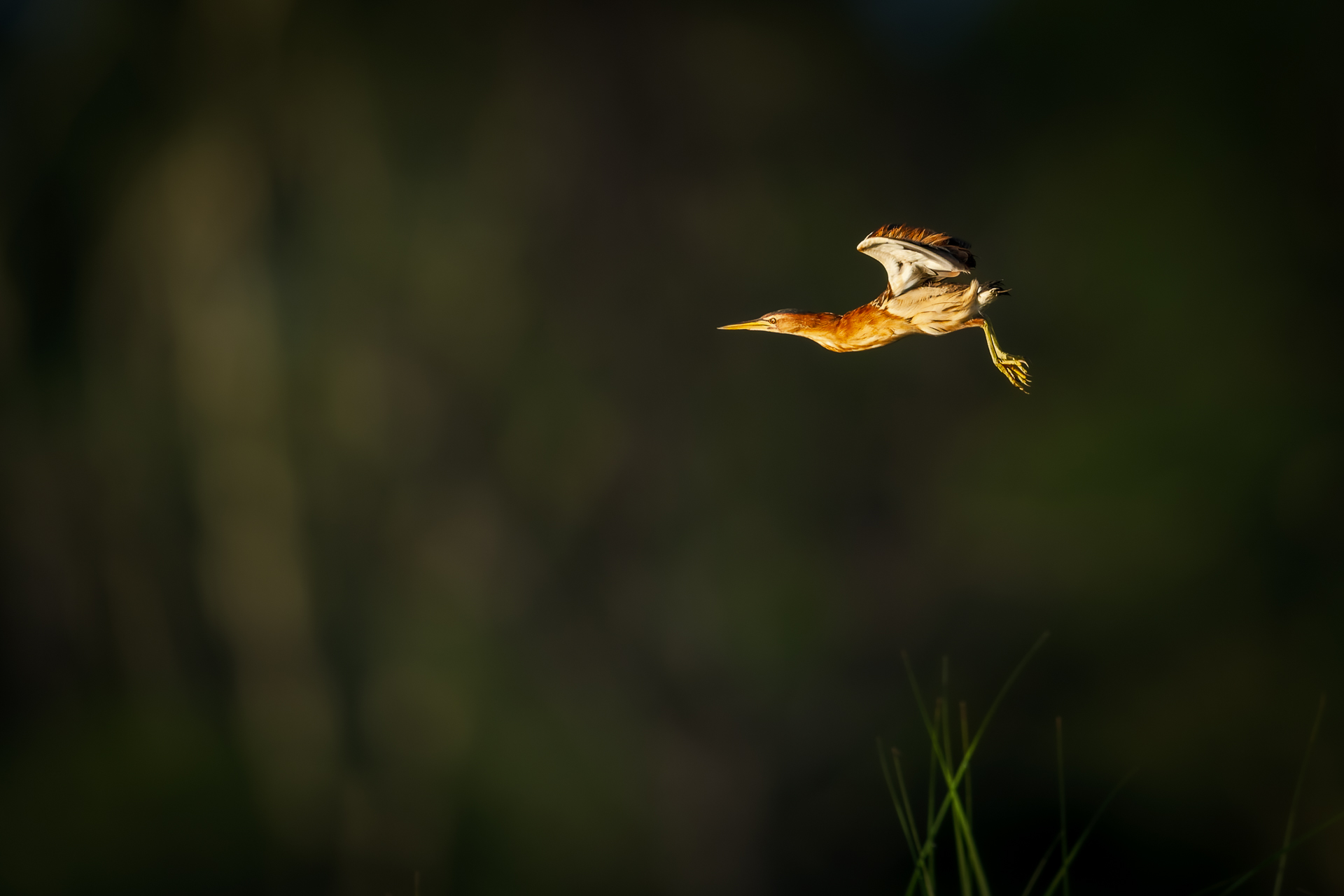
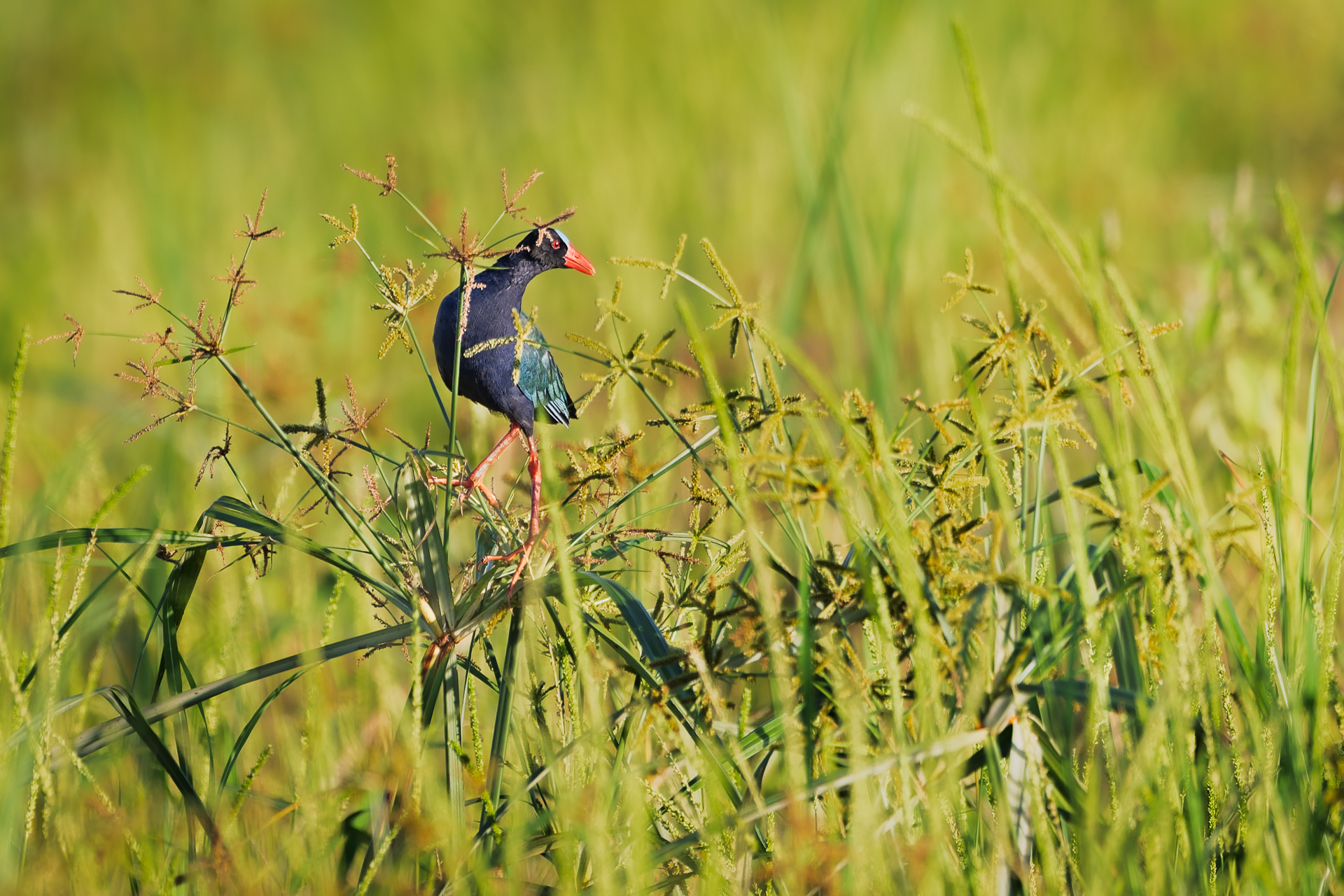
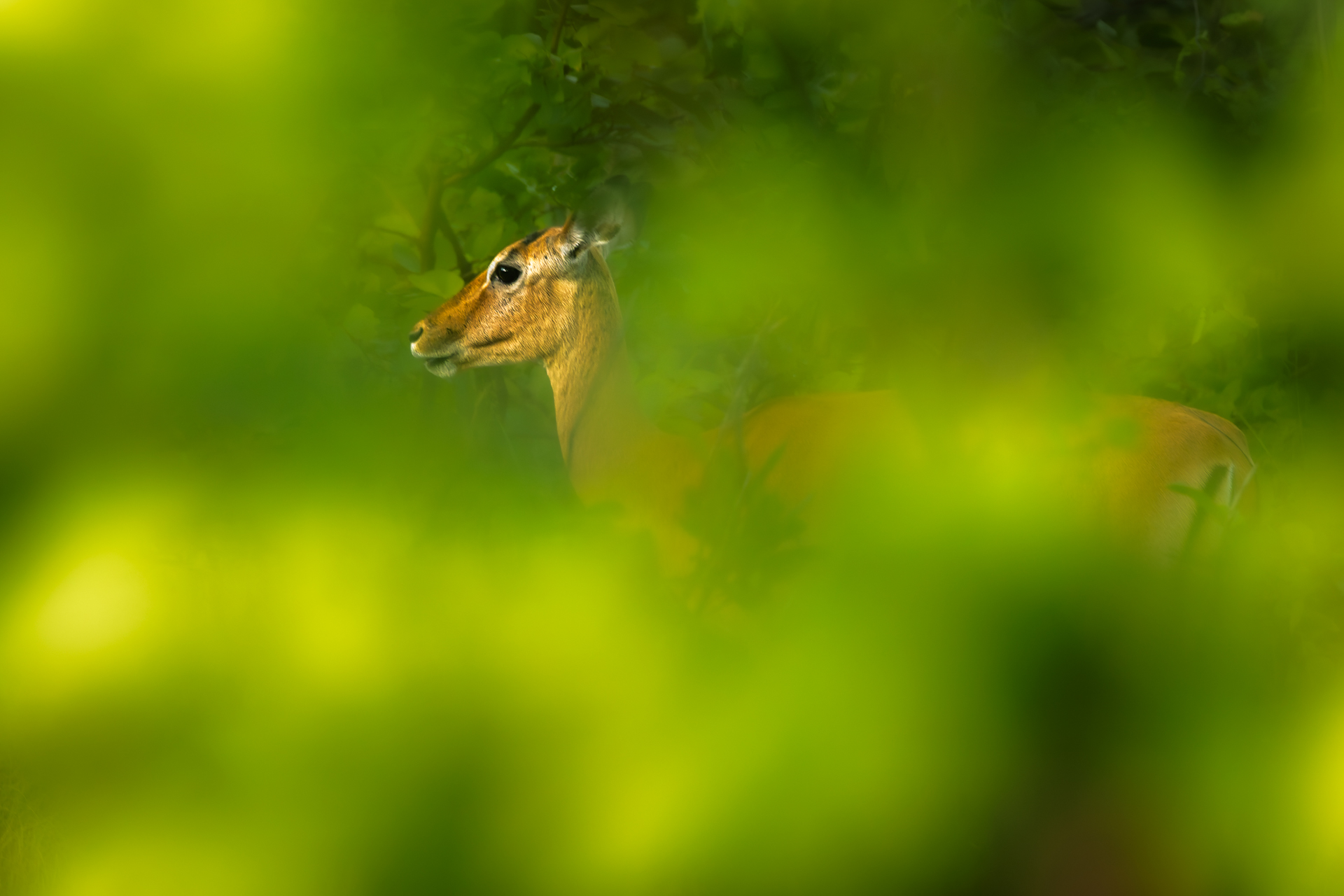
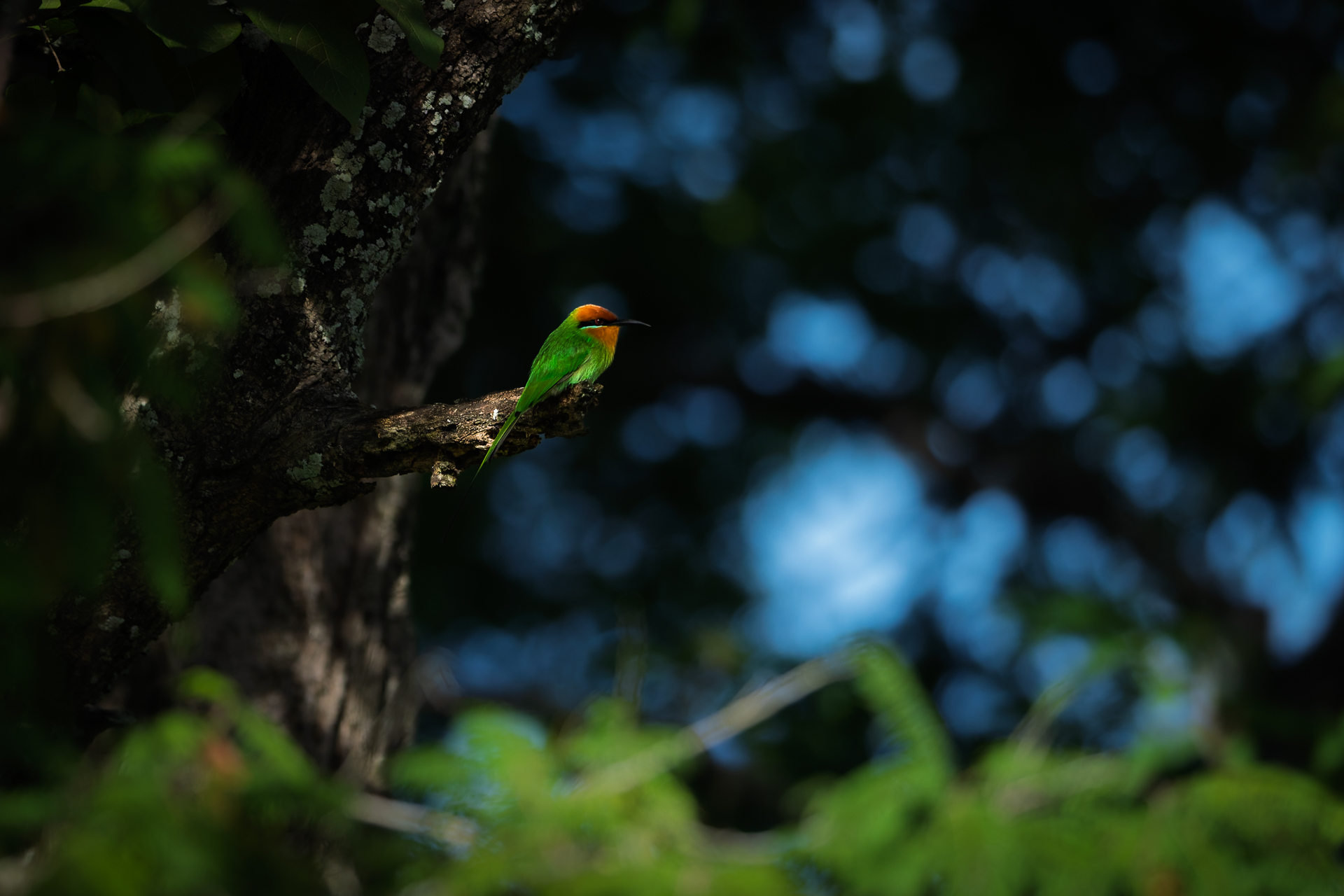
During the wet season, birdlife becomes a primary focus. The park’s wetland system supports a wide range of species, offering consistent opportunities for those willing to work with changing light and conditions.
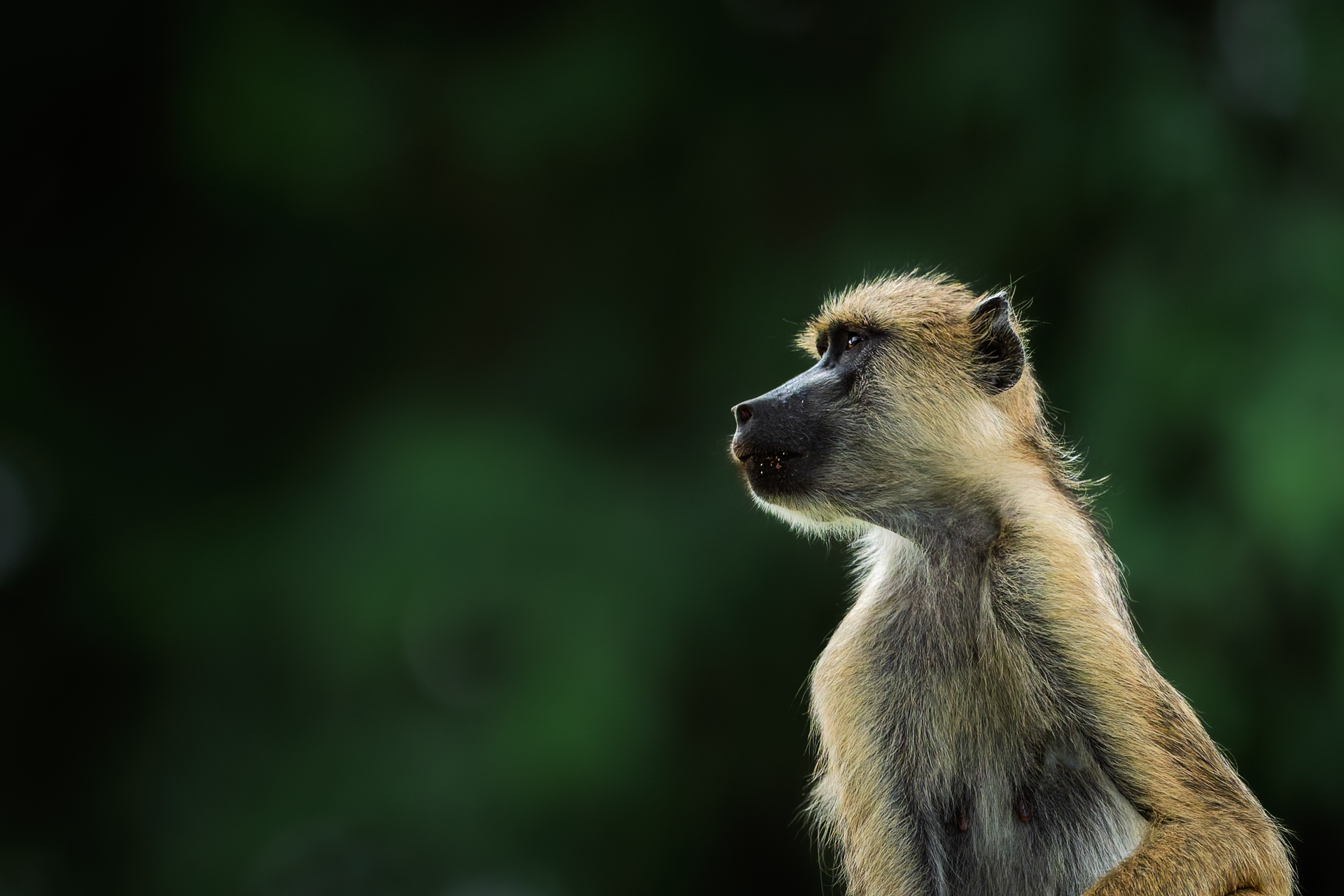
Liwonde rewards patience. The strongest images tend to come from time spent understanding behaviour and waiting for the moment to unfold.
5. Why Liwonde Matters for Photographers
Liwonde sits outside the high-traffic safari circuit, and that distance is part of its strength.
There are fewer vehicles, simpler logistics once inside the park, and a clear conservation framework shaping the experience. Most importantly, you are given the time and space to work a sighting properly.
That space changes everything. It allows you to refine composition, anticipate behaviour, and return with images that carry intention rather than chance.
Final Thoughts
Liwonde National Park requires a decision to go there. It does not sit on the obvious route.
That is precisely why it works.
A restored ecosystem, a growing predator base, and a river that draws life into view. This is a park for photographers who value access, time, and context.
Not louder. Not busier.
Just more considered.
For a closer understanding of how Liwonde unfolds in the field, watch Darren’s video filmed on location.