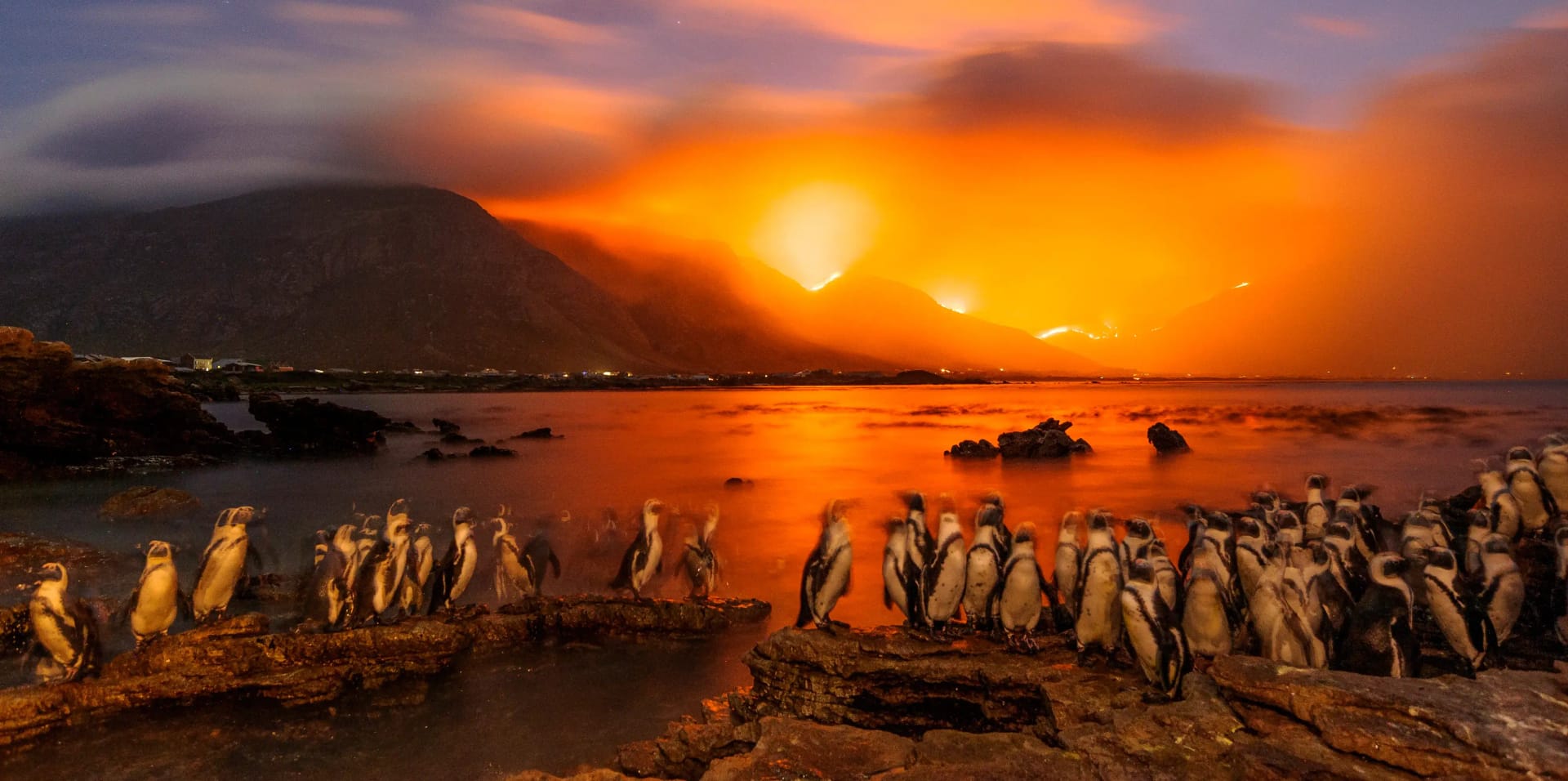
Shutter Speed and Bird Photography: A Practical Guide to Creative Control
Shutter speed is often the first setting photographers think about when approaching bird photography. For good reason — birds are fast, unpredictable and often moving through the frame in fractions of a second.
But reducing shutter speed to a single goal — freezing motion — limits what is possible.
This video is not about choosing one “correct” shutter speed. It is about understanding how different shutter speeds influence your images, and how to use that range to build a more complete and creative bird photography portfolio.
1. Start with Intent, Not Settings
Before adjusting your shutter speed, ask a simple question:
What do you want the image to show?
Absolute sharpness and detail?
A sense of movement?
Atmosphere and mood?
Context within the environment?
Your answer determines your shutter speed — not the subject alone.
2. 1/8000th of a Second: Freezing the Unseen
At the highest shutter speeds, you are freezing moments the eye cannot fully register.
This is where:
Wing detail becomes fully defined
Water droplets hang in the air
Fast action is rendered with precision
Use this when:
Birds are flying fast or changing direction
Behaviour is unpredictable (feeding, fighting, hunting)
You want maximum sharpness across the subject
This is essential for capturing decisive moments — but it is only one part of the story.
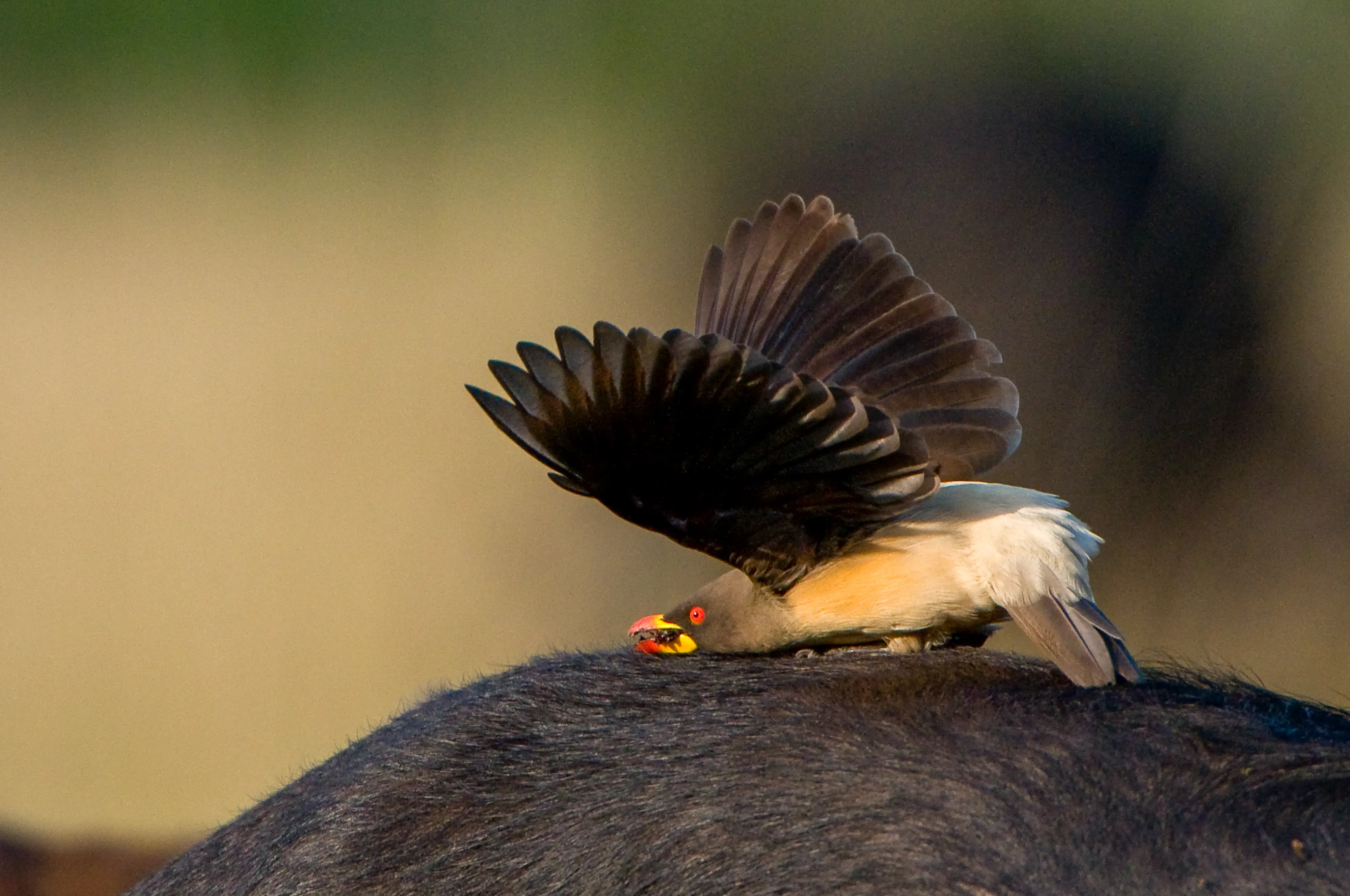
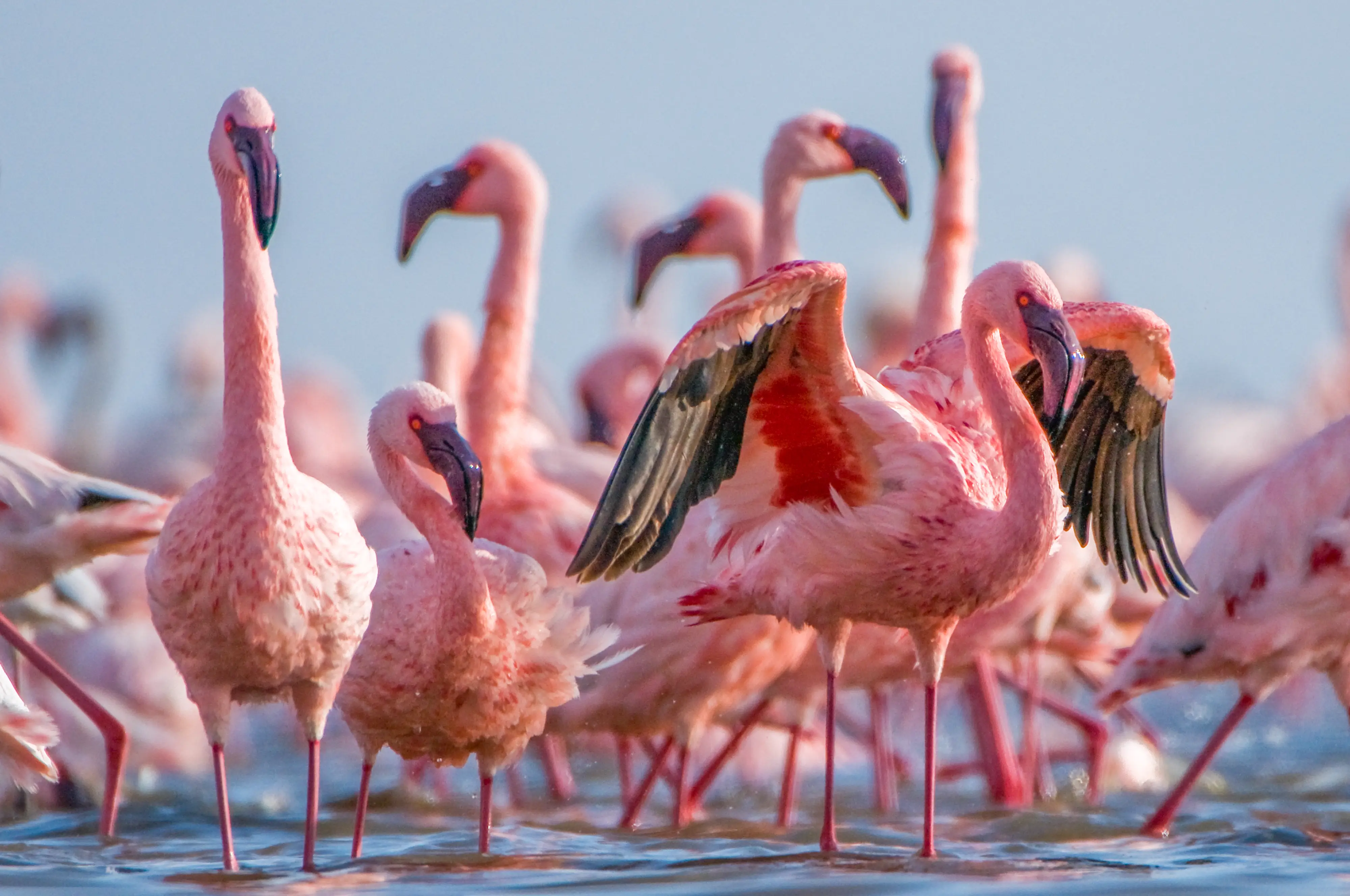
3. 1/2000th of a Second: Your Default in the Field
If there is one reliable starting point, it is this.
At around 1/2000th:
Most birds in flight remain sharp
You retain flexibility with ISO and aperture
You can react quickly without overthinking settings
Use this when:
Photographing general bird activity
Working in changing light
You need consistency across a sequence
This is a strong baseline — and often the most practical choice in real safari conditions.
4. 1/1000th of a Second: Control and Compromise
.webp)
.webp)
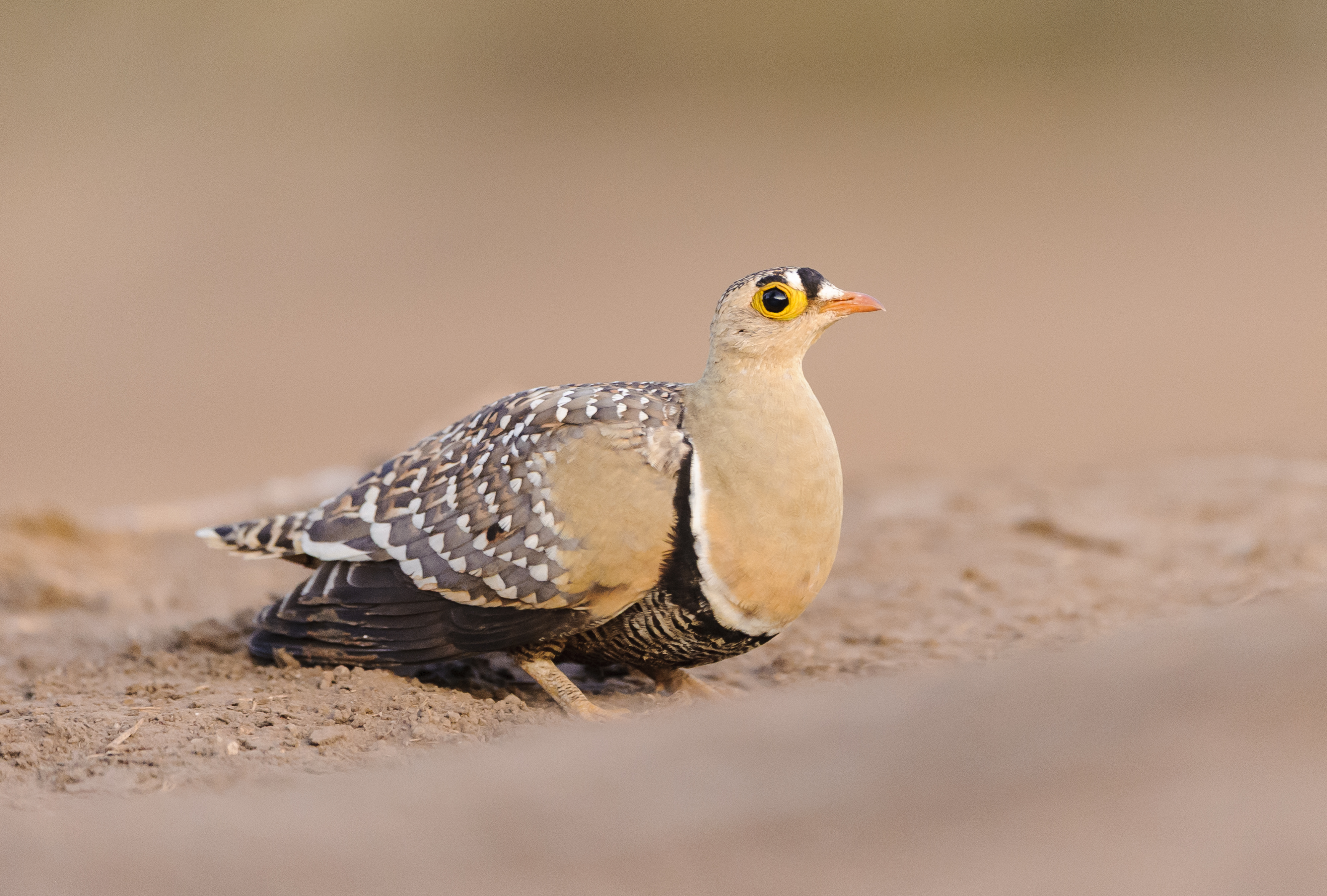
At this level, you begin to trade absolute sharpness for flexibility.
What changes:
Keeper rate starts to drop on fast-moving birds
Larger birds remain manageable
Portraits become more reliable
Use this when:
Photographing larger species
Shooting portraits or slower behaviour
Working in lower light where faster speeds are not possible
Lens choice becomes critical here — wider lenses reduce perceived motion and improve results.
5. 1/500th to 1/250th: Introducing Context
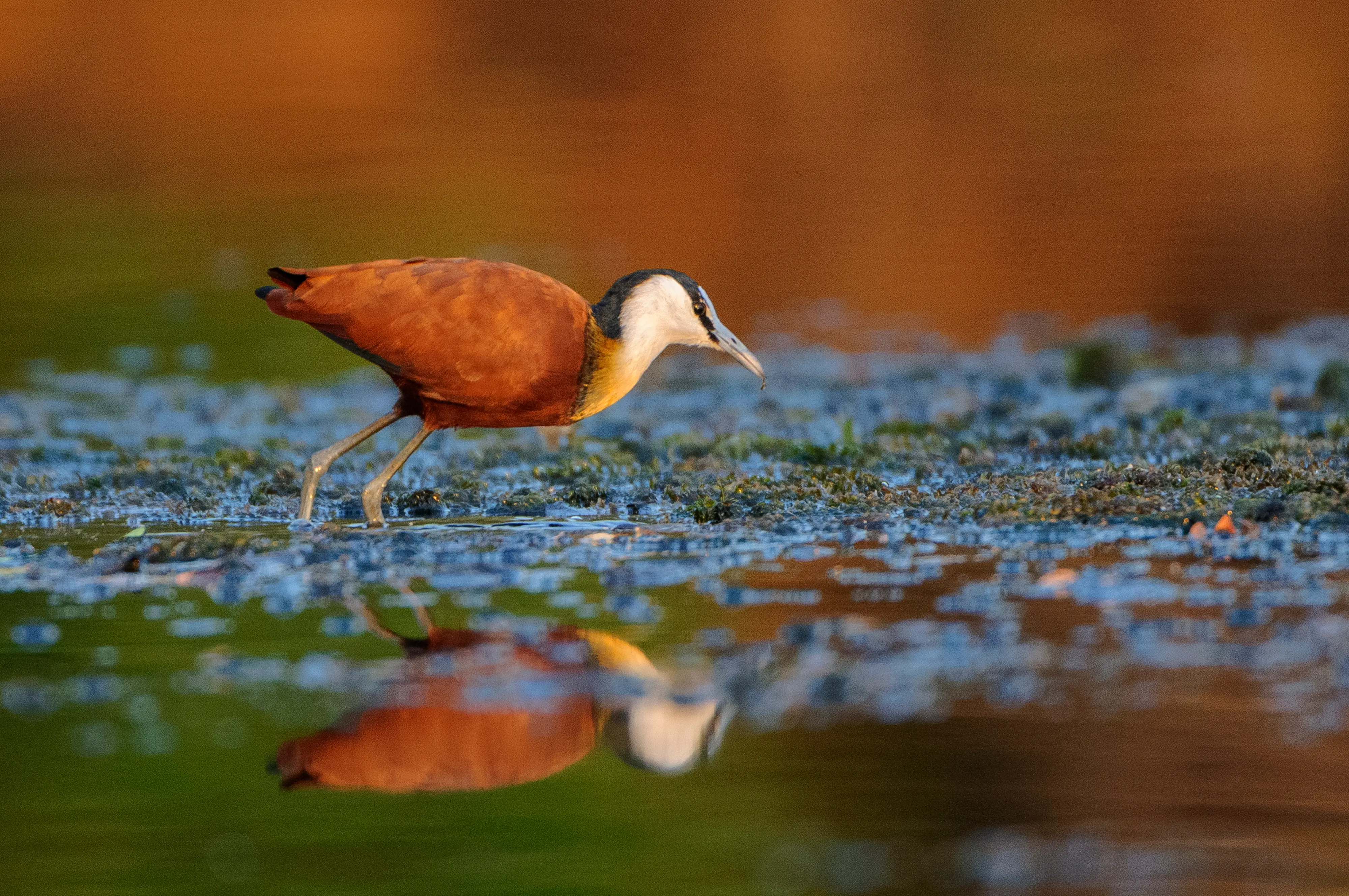
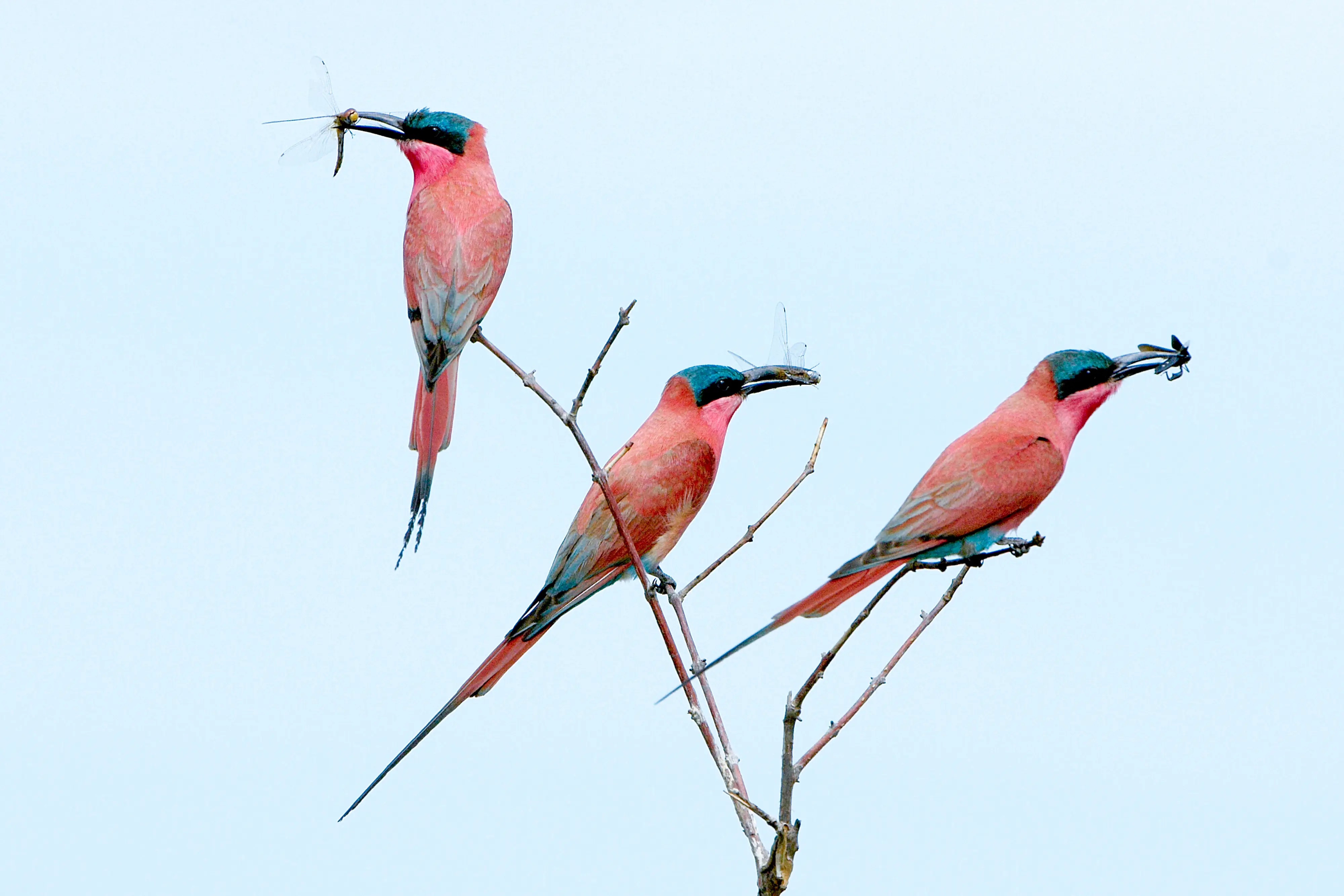
As shutter speed drops, your approach must change.
You are no longer chasing sharp flight shots. Instead, you:
Include more of the environment
Work with wider compositions
Focus on stillness or slower movement
Use this when:
Photographing birds in their habitat
Creating storytelling images
Working at sunrise, sunset or in softer light
Sharpness is still possible — but only if you adapt your composition.
6. 1/100th and Slower: Creating Mood and Motion
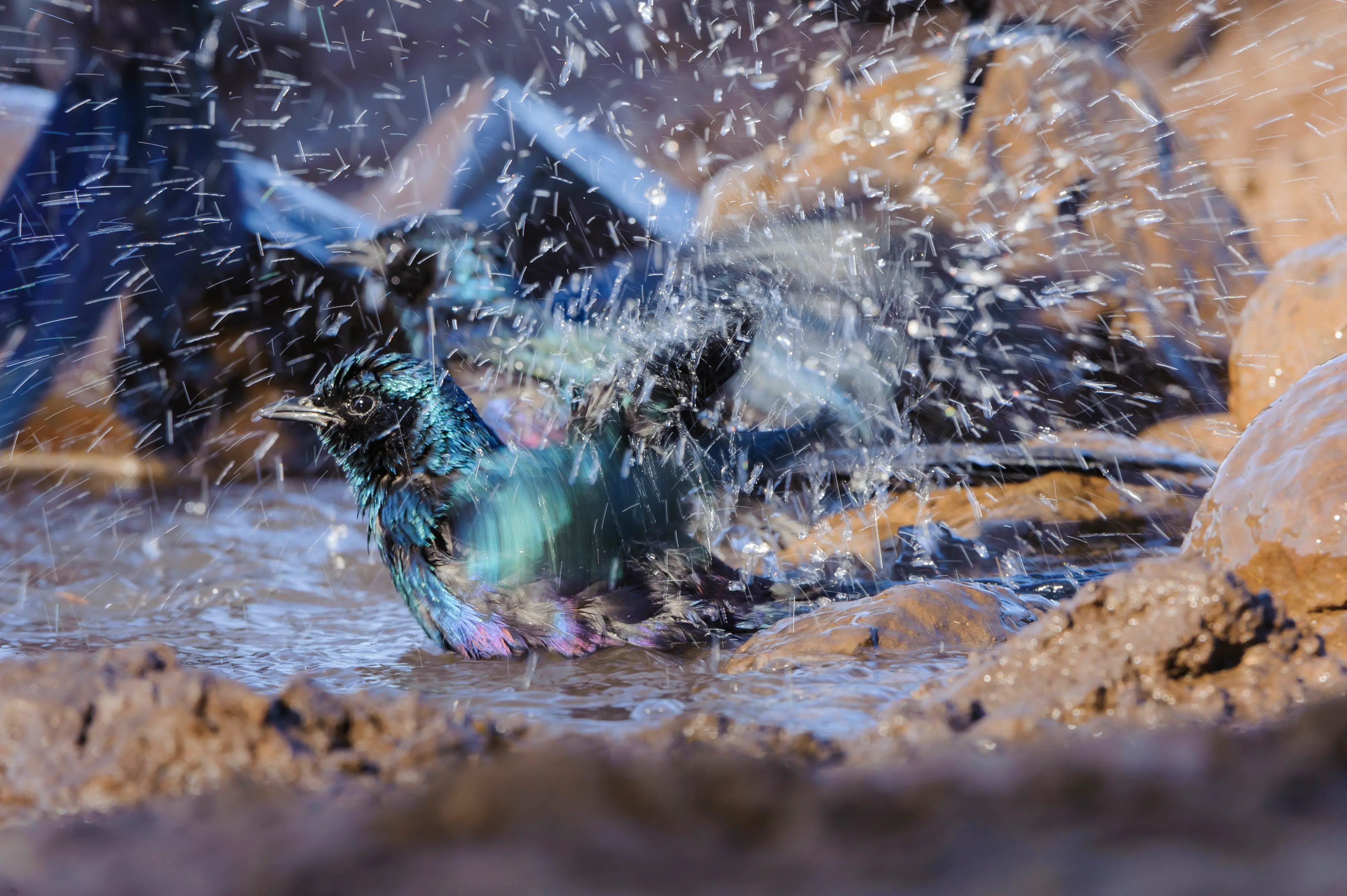
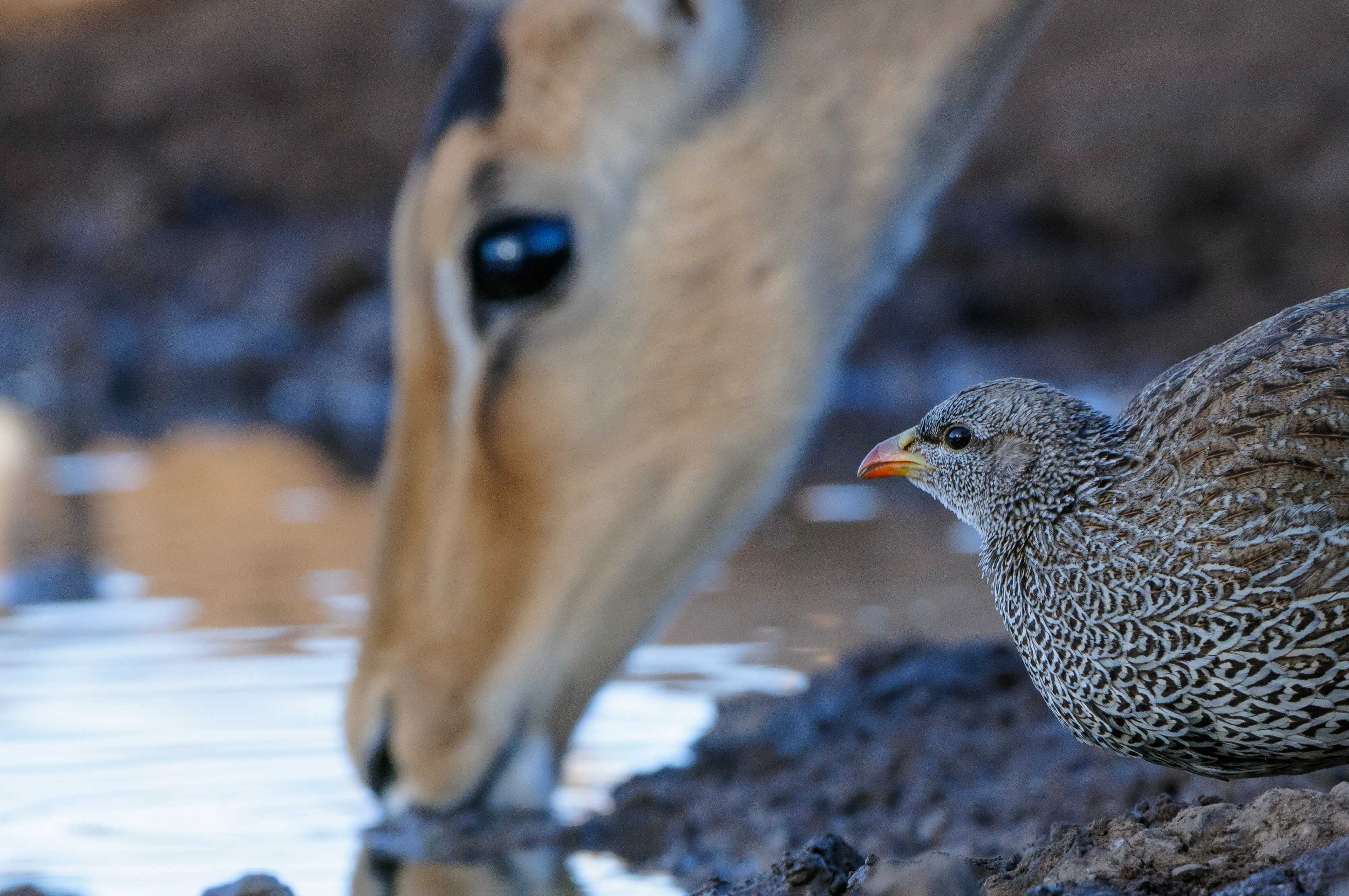
At slower shutter speeds, photography becomes more interpretive.
You begin to:
Embrace motion blur
Use panning techniques
Capture atmosphere rather than detail
Use this when:
You want to show movement (wings, water, weather)
Light is low and mood is strong
Behaviour allows for moments of stillness (e.g. a bird’s head staying steady)
Your success rate will drop — but your creative opportunities increase.
7. Beyond One Second: Planning the Image
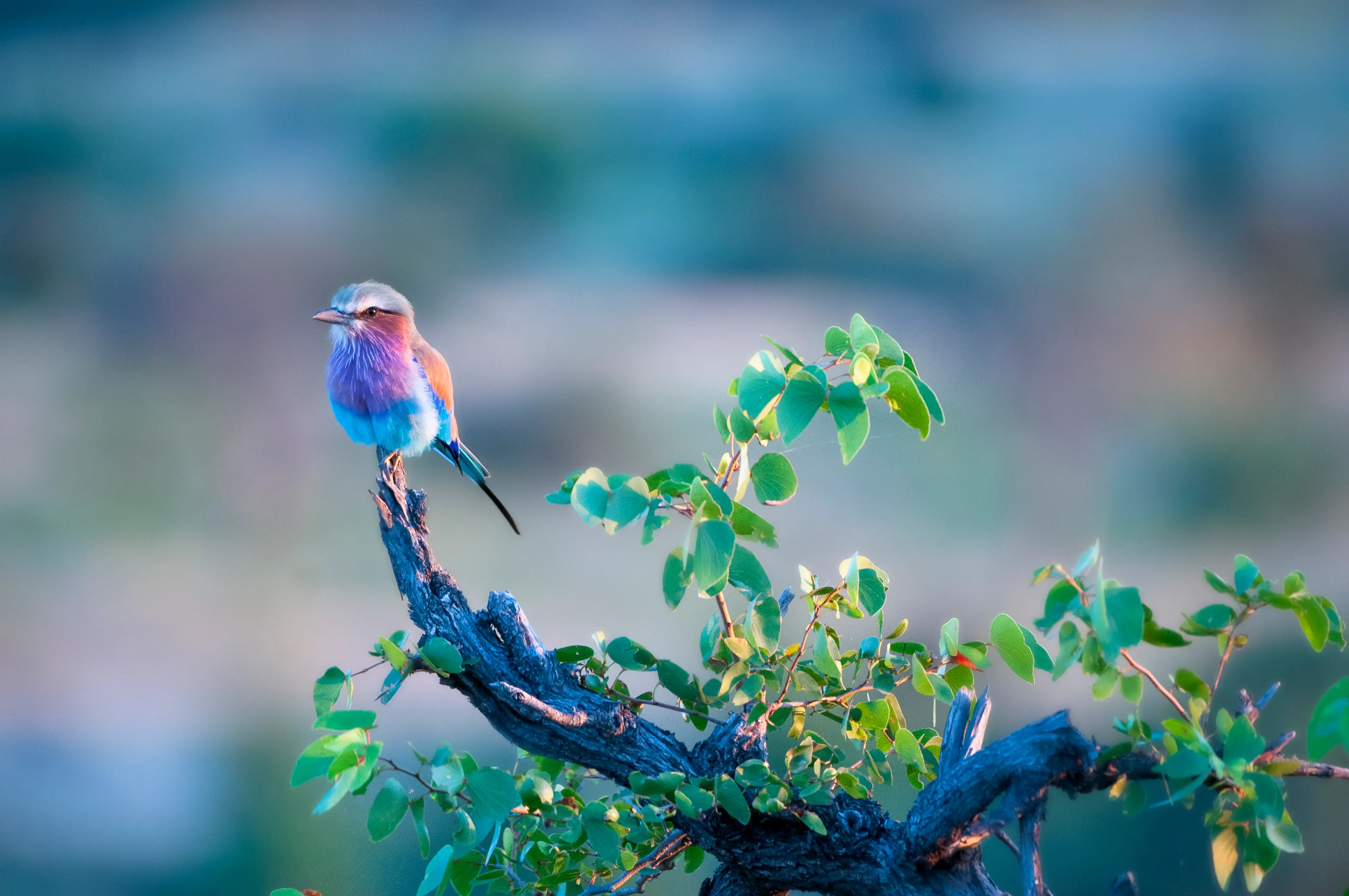
At extreme shutter speeds, photography becomes deliberate.
You are:
Using a tripod or stable support
Anticipating behaviour
Building the image before it happens
This is where:
Mist, water and light create atmosphere
Movement becomes part of the composition
Sharpness is no longer the priority
These images rely less on reaction and more on preparation.
8. What Really Determines Your Shutter Speed
Shutter speed is not chosen in isolation. It is influenced by:
Subject size → smaller birds require faster speeds
Lens choice → longer lenses exaggerate motion
Distance → closer subjects appear faster
Behaviour → predictable vs erratic movement
Light → always your biggest constraint
Understanding these relationships allows you to make faster, more confident decisions in the field.
9. Moving Beyond “Sharpness”
One of the biggest limitations in bird photography is the belief that every image must be perfectly sharp.
In reality:
Sharp images show detail
Slower images show story, movement and mood
A strong portfolio includes both.
Final Thoughts
From 1/8000th of a second to multi-second exposures, shutter speed is not a fixed rule — it is a creative tool.
The goal is not to memorise settings. It is to recognise the situation in front of you and choose a shutter speed that supports the image you want to create.
When you start thinking this way, bird photography becomes less about reacting — and more about interpreting what you see.